
Essential Supplies for Organic Farming Success
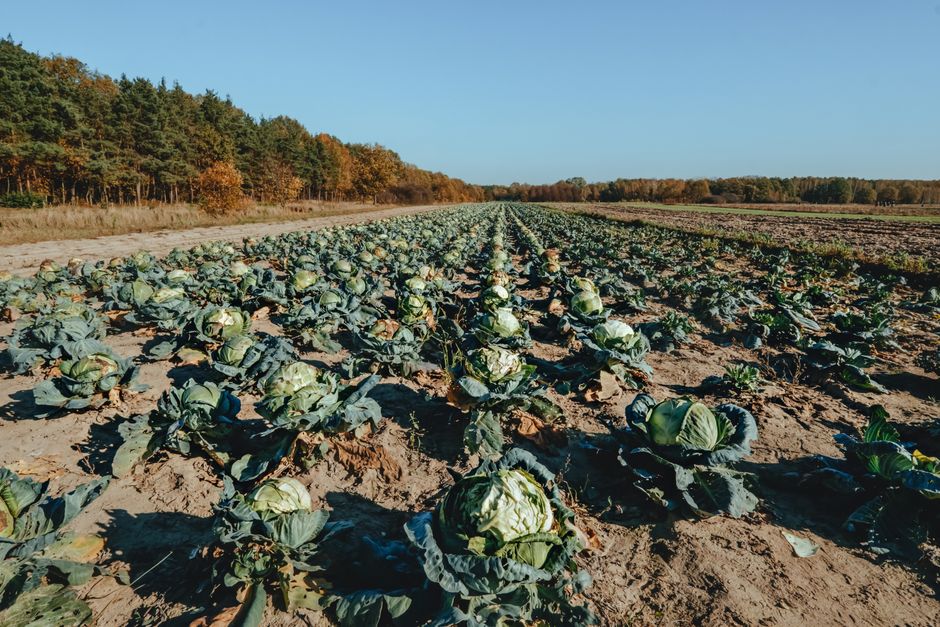
Organic farming has gained significant traction in recent years, transforming the way we produce food and interact with our environment. As consumers become more aware of the benefits of organic produce, farmers are increasingly seeking out the best supplies to enhance their practices. This article explores the essential supplies needed for successful organic farming, helping both new and experienced farmers navigate this growing field.
Understanding Organic Farming Supplies
To embark on an organic farming journey, it is crucial to understand what organic farming supplies entail. These supplies include everything from seeds and fertilizers to pest control products that comply with organic regulations. The primary goal is to foster a sustainable farming environment that nourishes the soil, promotes biodiversity, and produces healthy crops.
One of the first steps in organic farming is selecting high-quality seeds. Organic seeds are non-GMO and grown without synthetic pesticides or fertilizers. Farmers should look for suppliers that offer a diverse range of organic seeds, ensuring they can cater to different climates and soil types. For instance, many farmers opt for heirloom varieties that boast unique flavors and resilience.
Soil Health and Fertilization
The foundation of successful organic farming lies in healthy soil. Organic farmers often utilize compost and natural fertilizers to enrich their soil. Composting not only recycles waste but also improves soil structure and fertility. It is advisable for farmers to start their compost pile early in the season to have ample supplies ready for planting.
Natural fertilizers, such as bone meal, blood meal, and fish emulsion, provide essential nutrients without the harsh chemicals found in conventional fertilizers. Each of these options offers unique benefits; for example, bone meal is rich in phosphorus, which promotes root development and flowering.
Pest Control Strategies
Managing pests organically is another critical aspect of organic farming. Traditional pesticides are not permitted in organic farming, so farmers must rely on natural alternatives. Integrated Pest Management (IPM) strategies, which combine biological control, habitat manipulation, and resistant varieties, are highly effective.
Natural pest deterrents, such as neem oil or insecticidal soaps, can be utilized to manage infestations without harming beneficial insects. Additionally, introducing predatory insects like ladybugs can help keep pest populations under control. Farmers should also consider planting companion plants that repel harmful pests.
Water Management Supplies
Efficient water management is vital for sustaining organic farms, especially in areas prone to drought. Drip irrigation systems can minimize water waste while ensuring that crops receive adequate moisture. These systems deliver water directly to the plant roots, reducing evaporation and runoff.
Rainwater harvesting systems are also becoming increasingly popular among organic farmers. Collecting rainwater for irrigation can significantly reduce water costs and reliance on municipal water sources. Farmers should invest in proper filtration systems to ensure the collected water is suitable for crop irrigation.
Tools and Equipment for Organic Farming
Investing in the right tools and equipment is essential for efficient organic farming. Hand tools such as hoes, shovels, and rakes are fundamental for soil preparation and maintenance. Additionally, larger equipment like tractors equipped with organic-compliant attachments can greatly enhance productivity.
Farmers should also consider ergonomic tools that reduce strain and improve efficiency during planting and harvesting. For instance, using a seed drill can streamline the planting process, ensuring even seed distribution and minimizing waste.
For those looking to source their organic farming supplies, it is crucial to prioritize suppliers who adhere to organic standards. This not only ensures compliance with regulations but also supports the broader organic farming community.
Conclusion
Organic farming requires a commitment to sustainability and a comprehensive understanding of the supplies needed to succeed. From selecting the right seeds and fertilizers to implementing effective pest control strategies, each element plays a vital role in achieving a thriving organic farm. As the demand for organic produce continues to rise, equipping oneself with the necessary tools and knowledge becomes ever more critical. By investing in quality organic farming supplies, farmers can contribute to a healthier planet while providing nutritious food for their communities.