
Exploring the Benefits of Aquaponics Kits for Sustainable Farming
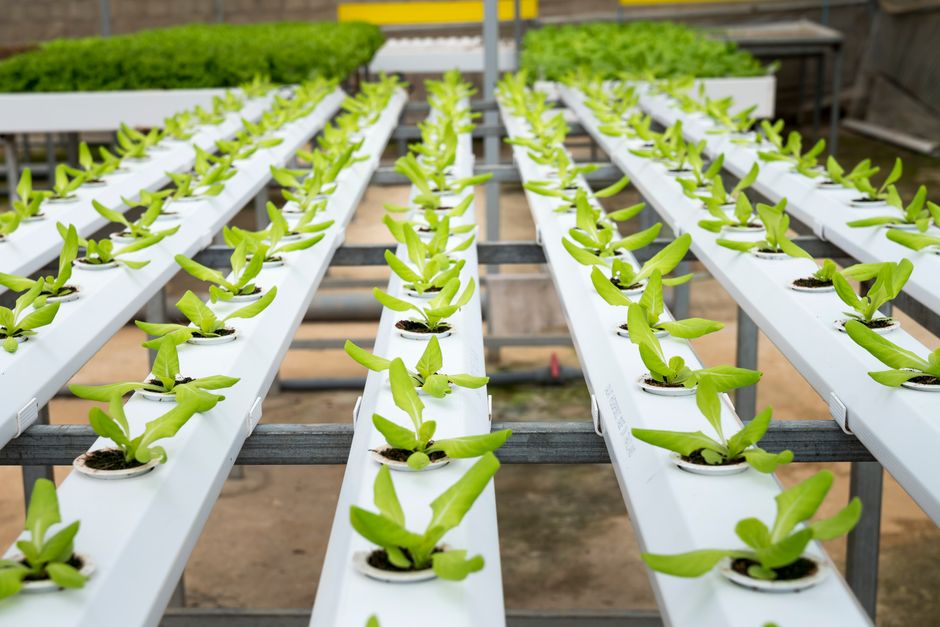
Aquaponics, a harmonious blend of aquaculture and hydroponics, has been gaining traction among sustainable farming enthusiasts. This innovative system allows for the cultivation of plants and fish in a symbiotic environment, promoting efficient resource use and reducing waste. With the rising interest in sustainable practices, aquaponics kits have emerged as a popular solution for both beginners and experienced gardeners looking to enhance their food production methods.
What is Aquaponics?
Aquaponics is a method of growing plants and fish together in a unified environment. In this system, fish waste provides organic nutrients for the plants, while the plants help filter and clean the water for the fish. This closed-loop system minimizes the need for chemical fertilizers and reduces water usage by up to 90% compared to traditional farming methods. The integration of aquaculture and hydroponics creates a sustainable ecosystem that can thrive in various settings, from small urban gardens to larger-scale farms.
One of the most appealing aspects of aquaponics is its versatility. Whether you’re a city dweller with limited space or a farmer looking to diversify your crop production, aquaponics kits can be tailored to meet your specific needs. These kits come in various sizes and configurations, making it easy for anyone to get started with aquaponics.
Benefits of Using Aquaponics Kits
There are numerous benefits associated with using aquaponics kits for sustainable farming. First and foremost, aquaponics systems are incredibly efficient. By combining fish and plant cultivation, these kits can produce more food in less space while conserving water and reducing waste. For instance, studies show that aquaponics can yield up to 10 times more produce per square foot compared to traditional farming methods.
Additionally, aquaponics systems can be maintained with minimal inputs. The natural nutrient cycle reduces the need for synthetic fertilizers, and the closed-loop system minimizes water loss. This makes aquaponics an attractive option for those interested in organic farming practices. Moreover, the fish produced in aquaponics systems, such as tilapia or catfish, can be a valuable source of protein for families or communities, contributing to food security.
Choosing the Right Aquaponics Kit
When selecting an aquaponics kit, it’s essential to consider several factors, including size, design, and your specific goals. Beginners may benefit from compact, easy-to-assemble kits that include all necessary components, such as a fish tank, grow bed, and pump. These starter kits often come with instructional materials to help users understand the basics of aquaponics.
For more experienced gardeners or those looking to scale up, larger aquaponics kits may be more suitable. These systems can accommodate a greater number of fish and plants, allowing for increased production. It’s also crucial to evaluate the quality of the materials used in the kit, as durable components will ensure longevity and reduce maintenance issues.
Additionally, consider the type of fish you want to raise and the plants you wish to grow. Some aquaponics kits are specifically designed for certain species of fish and crops, so it’s important to choose a kit that aligns with your preferences and local climate conditions.
Maintaining Your Aquaponics System
Successful aquaponics systems require regular maintenance to ensure optimal health for both fish and plants. Monitoring water quality is crucial, as fish are sensitive to changes in their environment. Regular testing of pH levels, ammonia, nitrites, and nitrates will help maintain a balanced ecosystem. Most aquaponics kits come with guidelines for water testing and maintenance schedules.
Feeding the fish a balanced diet is also essential for their growth and health. High-quality fish feed can promote rapid growth and enhance the nutrient content of the water, benefiting the plants. Additionally, pruning and harvesting plants at the right times will encourage continued growth and prevent overcrowding in the grow beds.
Community and Educational Opportunities
Aquaponics is not just a personal endeavor; it also offers opportunities for community engagement and education. Many schools and community organizations are adopting aquaponics systems as part of their curricula, teaching students about sustainable agriculture, biology, and environmental science. These hands-on experiences can inspire the next generation to pursue careers in agriculture or environmental stewardship.
Moreover, local aquaponics clubs and online forums provide platforms for enthusiasts to share experiences, tips, and resources. Joining these communities can enhance your knowledge and provide support as you navigate the challenges of aquaponics.
In conclusion, investing in an aquaponics kit can open up a world of possibilities for sustainable farming. With its numerous benefits, including resource efficiency, reduced environmental impact, and the potential for community engagement, aquaponics represents a forward-thinking approach to food production. Whether you’re a novice gardener or an experienced farmer, exploring aquaponics can lead to a rewarding and sustainable future.