Understanding the Future of Energy Storage Systems
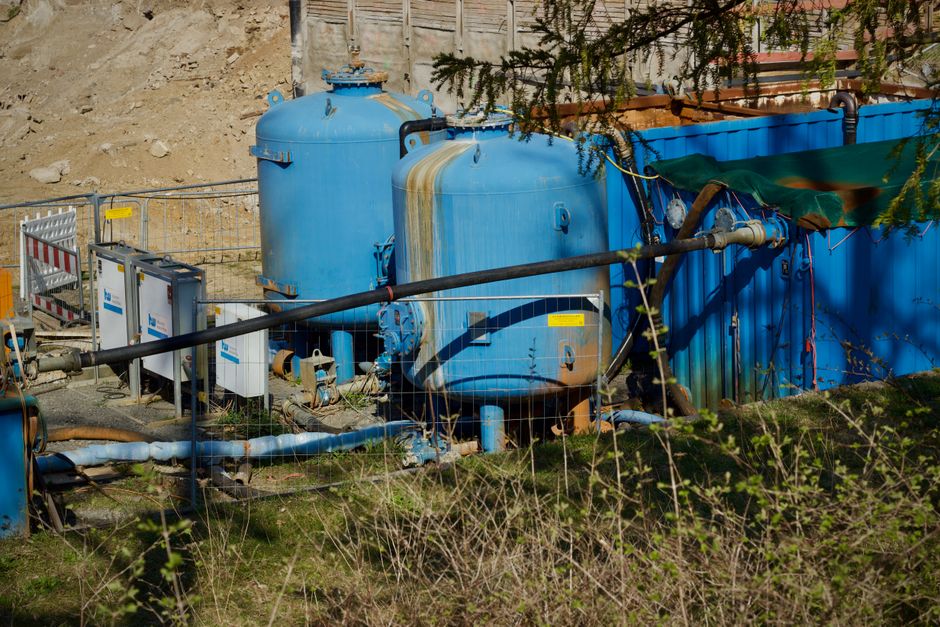
As the world shifts towards renewable energy sources, the need for effective energy storage systems has never been more critical. These systems play a vital role in managing the intermittency of renewable energy, ensuring a stable and reliable supply. In this article, we will explore the various types of energy storage systems, their benefits, challenges, and the role they play in the global energy landscape.
Types of Energy Storage Systems
Energy storage systems can be categorized into several types, each with its own advantages and limitations. The most common types include chemical, mechanical, thermal, and electrical storage systems. For instance, energy storage systems like lithium-ion batteries are widely used for their high energy density and efficiency. In contrast, pumped hydro storage, a form of mechanical storage, is one of the oldest and most established technologies, utilizing gravitational potential energy.
Another emerging technology is thermal energy storage, which stores energy in the form of heat. This method is particularly beneficial for balancing the energy demand in buildings and industrial processes. By storing excess heat generated from renewable sources, facilities can use this energy during peak demand times, reducing reliance on fossil fuels.
Benefits of Energy Storage Systems
The benefits of implementing energy storage systems are substantial. Firstly, they enhance grid stability by providing backup power during outages or peak demand periods. This capability not only improves the resilience of the energy supply but also reduces the need for costly infrastructure upgrades.
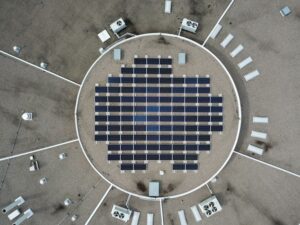
Moreover, energy storage systems facilitate the integration of renewable energy sources, such as wind and solar. By storing excess energy generated during peak production times, these systems ensure that energy is available when demand is high, effectively smoothing out the supply curve.
Challenges Faced by Energy Storage Systems
While the advantages are clear, there are several challenges associated with energy storage systems. One of the primary issues is the initial capital cost, which can be significant. Although prices for technologies like lithium-ion batteries have declined, the overall investment required for large-scale deployment remains a barrier for many utilities and businesses.
Furthermore, the environmental impact of certain storage technologies, particularly those involving rare earth metals, raises concerns. Sustainable sourcing and recycling of materials used in energy storage systems are critical issues that need to be addressed to ensure a truly green energy transition.
Future Trends in Energy Storage
The future of energy storage systems looks promising, with ongoing advancements in technology and materials. Research into alternative battery technologies, such as solid-state batteries or flow batteries, aims to increase efficiency and reduce environmental impact. Additionally, innovations in artificial intelligence and machine learning are being applied to optimize energy storage management and enhance grid integration.
Governments worldwide are also recognizing the importance of energy storage in achieving climate goals. Incentives and subsidies for energy storage projects are becoming more common, encouraging investment and innovation in this sector. As the global energy landscape evolves, energy storage systems will undoubtedly play a pivotal role in shaping a sustainable and resilient future.
Conclusion
In conclusion, energy storage systems are essential for the transition towards a cleaner, more sustainable energy future. From enhancing grid reliability to enabling the integration of renewable sources, these systems offer numerous benefits that cannot be overlooked. As technology continues to advance and investment in the sector grows, we can expect to see a significant transformation in how energy is stored and managed globally.