
Exploring the World of Luxury Brand Reselling
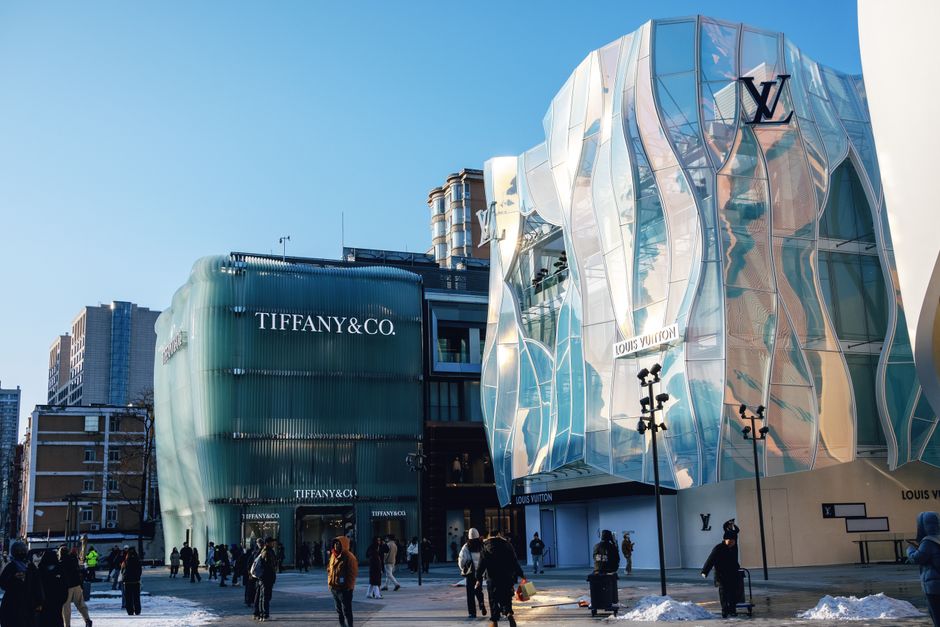
The luxury brand resale market has seen a significant surge in recent years, driven by changing consumer behaviors and a growing appreciation for sustainable fashion. As buyers become more conscious of their purchasing power, the demand for pre-owned luxury goods continues to rise. This article delves into the intricacies of the luxury brand reseller landscape, examining its growth, challenges, and opportunities for both sellers and buyers.
The Rise of Luxury Reselling
In recent years, the luxury resale market has expanded exponentially, with statistics indicating it could exceed $64 billion by 2024. Factors contributing to this growth include an increased interest in sustainable shopping practices and the appeal of exclusive, high-quality items at reduced prices. Many consumers are now opting to purchase second-hand luxury items rather than new ones, thus supporting the circular economy.
Platforms dedicated to luxury reselling have emerged, making it easier for individuals to buy and sell high-end items. Websites and apps provide a marketplace for consumers to find sought-after pieces without the premium price tag. This shift in consumer behavior indicates a broader acceptance of pre-owned goods, especially among millennials and Gen Z shoppers who value sustainability and unique fashion choices.
Key Players in the Market
Several players dominate the luxury resale market, including established brands and innovative startups. Major platforms like The RealReal and Vestiaire Collective lead the way, offering a vast selection of authenticated luxury items. These platforms provide sellers with a seamless experience, ensuring their products are marketed effectively to a global audience.
Moreover, the emergence of niche platforms focusing on specific categories—such as high-end streetwear or vintage handbags—has further diversified the market. Resellers often specialize in certain brands or product types, developing expertise that can enhance their credibility and attract loyal customers. This specialization can also lead to better pricing strategies and inventory management.
Challenges Faced by Resellers
Despite the growth of the luxury resale market, resellers face several challenges. One major issue is the authenticity of products. Buyers are increasingly concerned about counterfeit items, which has led to the establishment of stringent authentication processes by leading resale platforms. Resellers must ensure they are knowledgeable about the products they sell to maintain their reputation and avoid potential legal issues.
Additionally, pricing can be a tricky aspect of the reselling business. Resellers need to find the right balance between affordability for buyers and profitability for themselves. Market fluctuations and consumer demand can impact pricing strategies, making it essential for resellers to stay informed about trends and market dynamics.
Strategies for Success
To thrive in the competitive luxury resale market, resellers must adopt effective strategies. Building a strong online presence is crucial; social media platforms can serve as powerful marketing tools. By showcasing products and engaging with potential customers, resellers can create a loyal following.
Moreover, providing exceptional customer service can set resellers apart from competitors. Quick response times, transparent communication, and hassle-free return policies can enhance the buyer’s experience, encouraging repeat purchases. Incorporating storytelling into product listings—highlighting the history or unique features of items—can also attract interest and elevate the perceived value of products.
The Future of Luxury Reselling
The future of the luxury resale market looks promising, with continued growth anticipated. As sustainability becomes a priority for consumers, the demand for pre-owned luxury goods will likely rise. Resellers who adapt to changing trends and consumer preferences will be well-positioned to capitalize on this burgeoning market.
Additionally, technological advancements such as artificial intelligence and blockchain may enhance the resale experience. These technologies could streamline authentication processes, improve inventory management, and create more personalized shopping experiences for consumers.
In conclusion, the luxury brand reseller market presents significant opportunities for both sellers and buyers. By understanding market dynamics, addressing challenges, and implementing effective strategies, resellers can thrive in this evolving landscape. As the resale market continues to grow, platforms like luxury brand reseller will play a pivotal role in shaping the future of fashion consumption.