Exploring the World of Virtual Tour Photography
In today’s digital age, the way we experience places has undergone a remarkable transformation. Virtual tour photography has emerged as a cutting-edge tool that allows individuals to explore locations from the comfort of their homes. This technology not only enhances customer engagement but also opens new avenues for businesses across various sectors. In this article, we will delve into the intricacies of virtual tour photography, its applications, and the impact it has on various industries.
What is Virtual Tour Photography?
Virtual tour photography is a technique that combines multiple images to create a 360-degree view of a location. This immersive experience allows viewers to navigate through spaces as if they were physically present. Unlike traditional photography, which captures a single moment, virtual tours provide a comprehensive view of an environment, making it possible for users to interact with their surroundings.
The evolution of this technology can be traced back to the early 1990s, when panoramic images began to gain popularity. However, with advancements in digital imaging and software, today’s virtual tours are more sophisticated than ever. They often include interactive elements such as clickable hotspots, informational overlays, and even audio descriptions, enhancing the viewer’s experience.
Applications in Various Industries
The versatility of virtual tour photography makes it applicable across numerous sectors. In the real estate industry, for example, agents utilize virtual tours to showcase properties to potential buyers, allowing them to explore homes without the need for physical visits. This not only saves time but also attracts a wider audience, particularly in the era of remote work and online property searches.
Moreover, the tourism industry has embraced virtual tours as a means to promote destinations. Travel agencies and hotels use these tools to give prospective travelers a taste of their offerings, leading to increased bookings. For instance, a hotel might create a virtual tour of its amenities, guiding viewers through the lobby, rooms, and dining areas, which can significantly influence their decision-making process.
In the education sector, virtual tour photography can facilitate remote learning. Schools and universities can offer virtual campus tours for prospective students, allowing them to explore facilities and interact with the environment before making a choice. This approach has become increasingly relevant as educational institutions adapt to virtual learning environments.
Benefits of Virtual Tour Photography
The benefits of incorporating virtual tour photography into a business strategy are manifold. Firstly, it enhances customer engagement by providing an interactive experience that captures attention. Statistics show that content with visual elements is more likely to be retained by viewers, increasing the likelihood of conversions.
Additionally, virtual tours can improve search engine optimization (SEO) efforts. By embedding virtual tour links on websites, businesses can enhance their visibility on search engines, drawing more traffic to their sites. This can lead to higher rankings and increased customer inquiries.
Furthermore, virtual tours are cost-effective marketing tools. Rather than investing in multiple physical locations or extensive travel, businesses can create a single virtual representation that reaches a global audience. This not only reduces costs but also expands market reach without geographical limitations.
Technical Aspects of Creating Virtual Tours
Creating a virtual tour requires a combination of technical skills and artistic vision. Photographers must use specialized equipment, such as 360-degree cameras, to capture high-quality images. Post-production editing software is also essential for stitching images together and adding interactive features.
Moreover, understanding the principles of lighting and composition is crucial. Well-lit and thoughtfully composed images can significantly enhance the immersive experience. For example, a real estate virtual tour that showcases a bright, inviting living space will resonate more with potential buyers than poorly lit images.
To facilitate the creation of virtual tours, many businesses opt to hire professionals who specialize in this field. These experts not only possess the technical know-how but also understand how to tailor virtual tours to meet specific business needs, ultimately enhancing the overall effectiveness of the tour.
Future Trends in Virtual Tour Photography
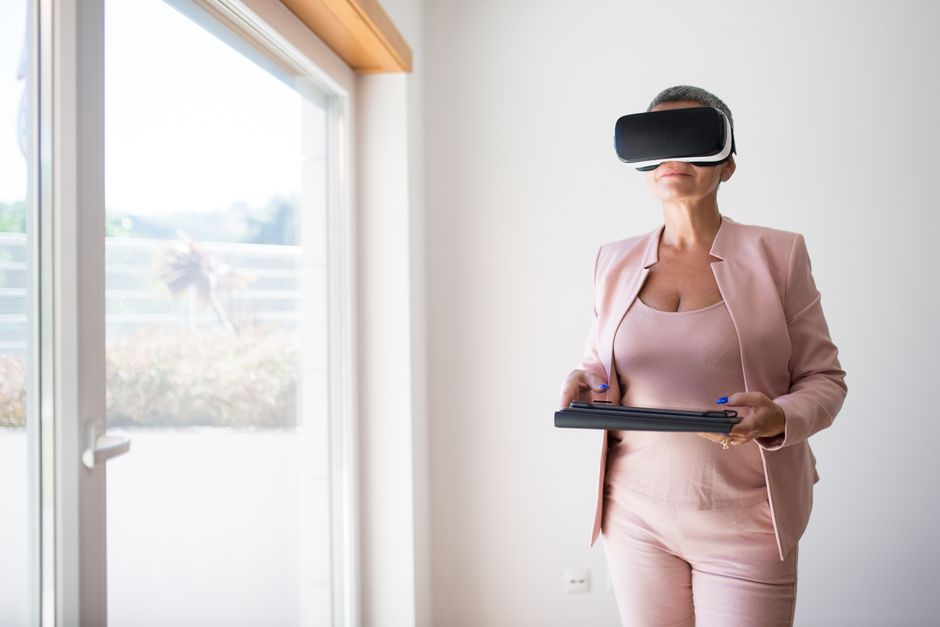
As technology continues to evolve, the future of virtual tour photography appears promising. Innovations in virtual reality (VR) and augmented reality (AR) are set to revolutionize the way virtual tours are experienced. For instance, integrating VR headsets into virtual tours can provide an even more immersive experience, allowing users to feel as though they are physically present in a location.
Additionally, the incorporation of artificial intelligence (AI) can personalize virtual tours based on user preferences. By analyzing user behavior, AI can suggest specific areas to explore, enhancing the overall experience and increasing engagement.
Furthermore, as more businesses recognize the value of virtual tours, competition is likely to drive innovation. This means that we can expect to see more interactive elements, improved image quality, and user-friendly interfaces in the near future.
Conclusion
In conclusion, virtual tour photography represents a significant shift in how we experience and interact with spaces. Its applications span across industries, offering businesses a unique opportunity to engage with their audiences in innovative ways. As technology continues to advance, the potential for virtual tours will only grow, making it an essential tool for businesses looking to stay ahead in today’s digital landscape. Whether in real estate, tourism, education, or beyond, virtual tours are poised to play a crucial role in shaping the future of customer engagement. For those interested in exploring the possibilities, virtual tour photography offers a gateway to a new era of immersive experiences.