
The Rise of Plastic Recycling Companies: A Sustainable Future
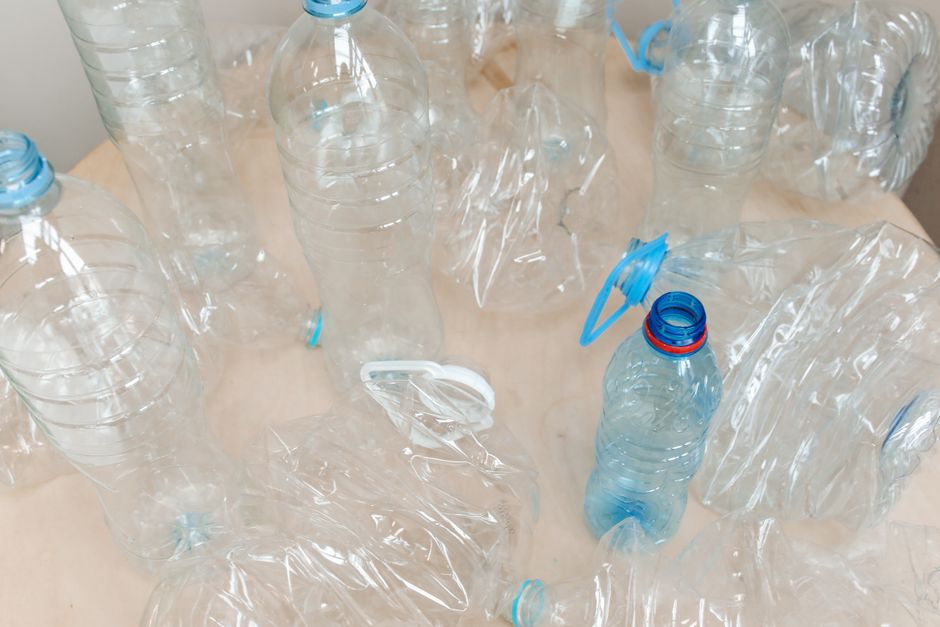
The growing awareness of environmental issues has led to an increased focus on sustainability, particularly in the realm of plastic waste management. As plastic pollution continues to escalate globally, the role of plastic recycling companies has never been more critical. These companies not only work towards reducing waste but also contribute to the circular economy, where materials are reused and repurposed effectively. In this article, we will explore the importance of plastic recycling companies, how they operate, and the significant impact they have on our planet.
The Importance of Plastic Recycling
Plastic waste is a pressing concern for our environment. According to the United Nations, approximately 300 million tons of plastic are produced each year, with a significant portion ending up in landfills and oceans. This statistic highlights the urgent need for effective recycling solutions. Plastic recycling companies play a pivotal role in addressing this issue by transforming waste into reusable materials.
One of the primary benefits of recycling plastics is the conservation of natural resources. By reprocessing plastic waste, companies can reduce the need for virgin materials, which are often derived from fossil fuels. For instance, recycled PET (rPET) can replace virgin PET in the production of new bottles and containers, significantly lowering the carbon footprint associated with plastic production.
Furthermore, plastic recycling contributes to the reduction of greenhouse gas emissions. The recycling process generally requires less energy compared to manufacturing new plastic products from raw materials. A study from the Environmental Protection Agency (EPA) indicates that recycling plastic can save up to 66% of the energy needed to create new plastic from scratch.
How Plastic Recycling Companies Operate
Plastic recycling companies typically follow a systematic approach to processing plastic waste. The process begins with the collection of plastic materials, which can come from various sources, including households, businesses, and industrial facilities. Once collected, the plastics are sorted based on their resin types and colors, as different plastics require different recycling processes.
After sorting, the plastics undergo cleaning to remove contaminants such as food residue, labels, and other impurities that could affect the quality of the recycled product. This step is crucial, as contaminated materials can lead to inferior recycled products that may not be suitable for reuse. Following the cleaning process, the plastics are shredded into smaller pieces, making them easier to process.
Finally, the shredded plastic is melted down and formed into pellets, which can be sold to manufacturers for the production of new plastic items. These companies often work with various industries, from packaging to automotive, showcasing the versatility of recycled materials.
Innovative Technologies in Plastic Recycling
The plastic recycling industry has seen significant advancements in technology, leading to more efficient and effective recycling processes. For example, chemical recycling is an innovative method that breaks down plastics into their original monomers, allowing for the production of new plastics that are indistinguishable from virgin materials. This technology enables the recycling of contaminated or mixed plastics that traditional recycling methods cannot handle.
Moreover, companies are increasingly utilizing artificial intelligence (AI) and machine learning to improve the sorting process. These technologies can identify and sort plastics more accurately and quickly than manual methods, thus increasing the efficiency of recycling operations. As a result, plastic recycling companies can enhance their output and contribute to a more sustainable future.
Additionally, blockchain technology is being explored for tracking recycled materials through the supply chain. This transparency can help ensure that recycled products are sourced responsibly, providing consumers with confidence in the sustainability of the products they purchase.
The Role of Consumers and Businesses
While plastic recycling companies play a crucial role in managing plastic waste, consumers and businesses also have a significant part to play. Individuals can contribute by properly disposing of plastics, participating in recycling programs, and choosing products made from recycled materials. Awareness campaigns can further educate the public about the importance of recycling and how to do it effectively.
On the business side, companies can adopt sustainable practices by sourcing materials from plastic recycling companies. Through corporate social responsibility initiatives, businesses can reduce their environmental impact and promote sustainability in their operations. For instance, brands that commit to using recycled materials in their products can attract environmentally conscious consumers and enhance their marketability.
Moreover, partnerships between plastic recycling companies and businesses can lead to innovative solutions for waste management. Collaborative efforts can result in closed-loop systems where companies take back their products at the end of their life cycle, ensuring they are recycled properly.
Conclusion
In conclusion, plastic recycling companies are essential players in the fight against plastic pollution and the promotion of sustainability. By understanding their operations and advancements in technology, we can appreciate their role in creating a circular economy. It is crucial for consumers and businesses to support these efforts, as collective action can lead to a significant reduction in plastic waste. As we move forward, the partnership between plastic recycling companies, consumers, and businesses will be vital in paving the way for a cleaner and more sustainable future. For more information on how to engage with a reliable plastic recycling company, consider reaching out to experts in the field.