Capturing the Skies: The Art of Aerial Drone Photography
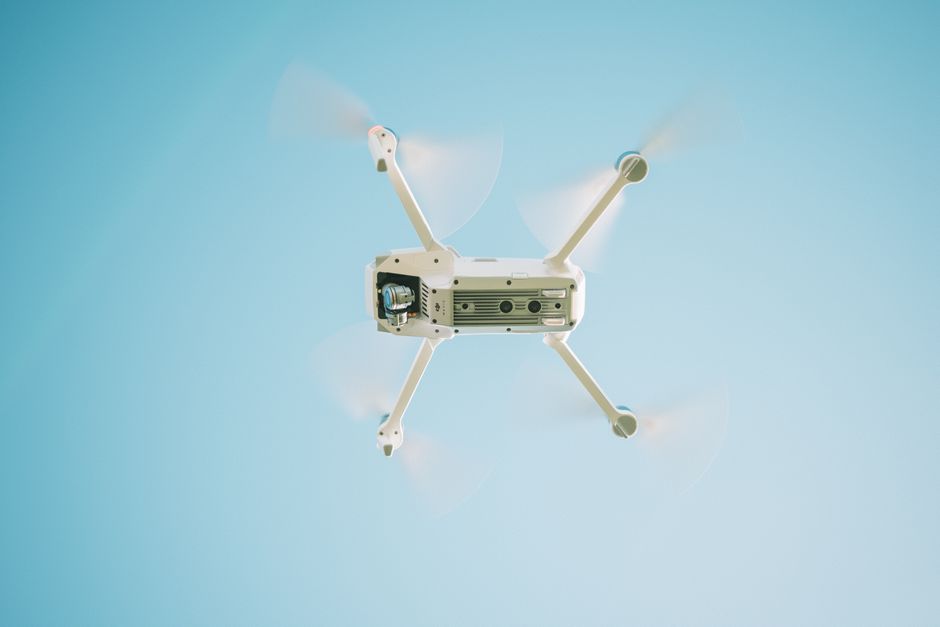
In recent years, aerial drone photography has revolutionized the way we capture images from above. With the advancement of drone technology, photographers and videographers can now access breathtaking perspectives that were once reserved for helicopters or planes. This article delves into the intricacies of aerial drone photography, exploring its applications, techniques, and how to get started in this exciting field.
The Rise of Aerial Drone Photography
Aerial drone photography has gained immense popularity due to its affordability and versatility. Unlike traditional methods that required expensive equipment and permits, drones have made it possible for anyone to capture stunning aerial shots. According to a report by the Federal Aviation Administration (FAA), the number of registered drones in the U.S. has surpassed 1.7 million, indicating a significant rise in interest.
The accessibility of drones has also democratized photography, allowing amateur photographers to produce professional-quality images. Moreover, the ability to fly drones in various environments—urban landscapes, natural parks, and remote areas—adds to the appeal of aerial photography.
For those looking to explore this field, understanding the regulations around drone use is crucial. Each country has its own set of rules regarding drone flight, including altitude limits and no-fly zones. For instance, in the U.S., the FAA requires drone operators to pass a test and obtain a Remote Pilot Certificate if they plan to use their drones for commercial purposes.
Essential Equipment for Aerial Photography
Choosing the right equipment is vital for achieving high-quality aerial photos. Drones come equipped with various cameras, and selecting one that suits your needs can make a significant difference. For instance, the DJI Phantom series is popular among photographers for its stability and high-resolution cameras.
Aside from the drone itself, other essential gear includes extra batteries, propellers, and a good carrying case. A high-capacity memory card is also critical, especially when shooting in high resolutions. Additionally, investing in good software for editing photos is crucial for post-processing, allowing you to enhance colors and details in your images.
Finally, consider using accessories such as ND filters to manage exposure and achieve the desired effects in your shots. These filters help reduce glare and improve image quality, especially in bright conditions.
Techniques for Stunning Aerial Shots
Mastering aerial photography requires understanding various techniques that can elevate your images. One of the most important aspects is composition. Utilize the rule of thirds by placing the subject off-center to create more dynamic images.
Another technique is to capture images during the golden hour—shortly after sunrise or before sunset—when the light is soft and warm. This timing can add depth and richness to your photographs. Additionally, experimenting with different angles and heights can yield unique perspectives that stand out.
Don’t forget to practice flying your drone in different conditions. Windy days can pose challenges, but they also offer opportunities to capture dramatic shots. Learning to maneuver your drone adeptly will enhance your ability to get the perfect shot when it counts.
Applications of Aerial Drone Photography
Aerial drone photography has a wide range of applications across various industries. In real estate, for example, high-quality aerial images can showcase properties from unique angles, attracting potential buyers. Many real estate agents now utilize aerial photography to enhance their listings.
In agriculture, farmers use drones to monitor crop health and manage resources more effectively. With the help of thermal imaging and multispectral cameras, drones can identify areas in need of attention, ultimately increasing efficiency and yield.
Furthermore, aerial photography is invaluable in filmmaking, tourism, and environmental monitoring. Documenting natural disasters and monitoring changes in landscapes are just a few ways that drones contribute to environmental conservation efforts.
Getting Started with Aerial Drone Photography
If you’re eager to dive into the world of aerial drone photography, begin by conducting thorough research. Familiarize yourself with the types of drones available and their specifications. Joining online forums or local photography groups can also provide valuable insights and tips from experienced drone photographers.
Once you have your drone, practice flying it in open areas away from people and obstacles. Take time to learn the controls and understand how to capture images effectively. Experiment with different settings and features to see what works best for your style.
Finally, don’t shy away from sharing your work. Platforms like Instagram and photography forums are excellent places to showcase your aerial shots and gain feedback from the community. Over time, you will refine your skills and develop your unique style in aerial drone photography.
Conclusion
Aerial drone photography opens up a world of possibilities for both professional and amateur photographers. With its unique perspectives and increasing accessibility, it’s no wonder that this art form is rapidly gaining traction. Whether you’re interested in capturing stunning landscapes, documenting real estate, or exploring innovative applications in various industries, aerial photography offers endless opportunities for creativity and expression. As you embark on this journey, remember to stay informed about regulations, invest in quality equipment, and continually hone your skills. For those looking to explore the fascinating world of aerial photography, the journey promises to be as exciting as the images you will capture. Embrace the skies and let your creativity soar with aerial drone photography.