Understanding CPR: A Lifesaving Skill Everyone Should Master
Cardiopulmonary Resuscitation (CPR) is a critical skill that can save lives in emergency situations. Whether it’s a heart attack, drowning, or any other scenario where someone’s breathing and heartbeat have stopped, knowing how to perform CPR can make the difference between life and death. This article explores the importance of CPR, the steps involved in performing it, and how proper training can empower individuals to act decisively during emergencies.
The Importance of CPR Training
Many people underestimate the significance of CPR training, thinking it is only necessary for healthcare professionals. However, statistics show that more than 350,000 cardiac arrests occur outside of hospitals each year in the United States alone. Unfortunately, less than 50% of these individuals receive immediate bystander CPR, which greatly reduces their chances of survival.
Moreover, studies reveal that when CPR is administered within the first few minutes of a cardiac arrest, the survival rate can double or even triple. This highlights the urgent need for widespread CPR training among the general population. By equipping more individuals with the skills to perform CPR, we can significantly increase survival rates and save lives in our communities.
Furthermore, CPR training is not only beneficial for potential rescuers but also fosters a sense of community responsibility. When people know they can help in emergencies, it creates an environment where individuals look out for one another.
Steps to Perform CPR
Performing CPR involves several key steps that everyone should be familiar with. The American Heart Association recommends the following sequence:
- Call for emergency assistance immediately.
- Check the victim’s responsiveness by shaking their shoulders and shouting.
- If unresponsive and not breathing, begin chest compressions.
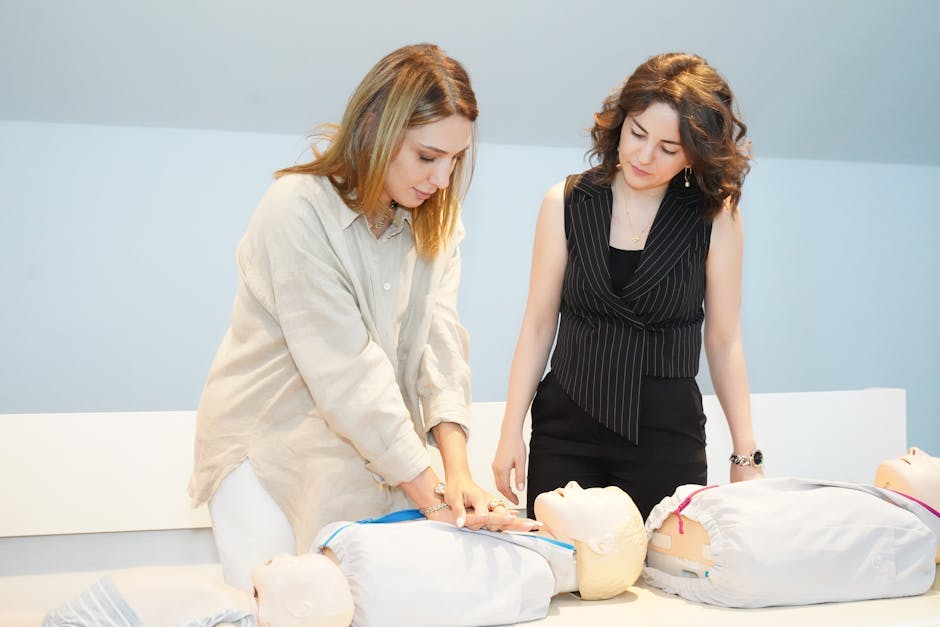
To perform chest compressions effectively, place the heel of one hand on the center of the chest and the other hand on top. Keep your arms straight and use your body weight to push down hard and fast at a rate of 100 to 120 compressions per minute. After every 30 compressions, give two rescue breaths if trained to do so.
It’s crucial to remember that even if you are unsure about the rescue breaths, performing continuous chest compressions is still effective and can keep blood circulating until medical help arrives. This approach, known as Hands-Only CPR, is particularly encouraged for untrained bystanders.
Common Myths About CPR
Despite its importance, several myths about CPR continue to exist, potentially deterring people from learning or performing it. One common myth is that CPR is only necessary for adults. In reality, children and infants can also experience cardiac arrest, and the techniques used may vary slightly.
Another myth is that performing CPR can cause harm to the victim. While it is true that rib fractures can occur during compressions, the potential for saving a life far outweighs the risks. The likelihood of causing harm is minimal compared to the chance of the victim surviving without immediate intervention.
Additionally, many people believe that they will not be able to perform CPR correctly. However, with proper training, individuals can gain the confidence and skills necessary to act in emergencies. Local training programs, such as the HLR kurs Stockholm, can provide hands-on experience and knowledge.
Staying Updated: CPR Guidelines and Techniques
CPR guidelines are regularly updated based on the latest research, and it is essential for trained individuals to stay informed. The American Heart Association updates its guidelines approximately every five years, ensuring that methods reflect the most effective techniques available.
By participating in refresher courses and staying abreast of changes, CPR providers can ensure they are equipped with the best practices. This continual education is particularly crucial for professionals in healthcare settings, as they may encounter various emergency situations more frequently.
Additionally, technology has played a significant role in enhancing CPR training. Many organizations now offer online courses, mobile apps, and interactive simulations that make learning CPR more accessible than ever. These resources can help individuals practice and retain skills, making them more prepared to act in real-life situations.
Conclusion
CPR is a vital skill that everyone should learn. It empowers ordinary individuals to save lives in critical moments and strengthens community resilience. By understanding the importance of CPR training, knowing the steps to perform it, debunking common myths, and staying updated on guidelines, we can all contribute to a safer environment. Investing time in CPR training can ultimately lead to more lives saved and a greater sense of preparedness in our communities.