
Navigating the World of Child Therapy: A Comprehensive Guide
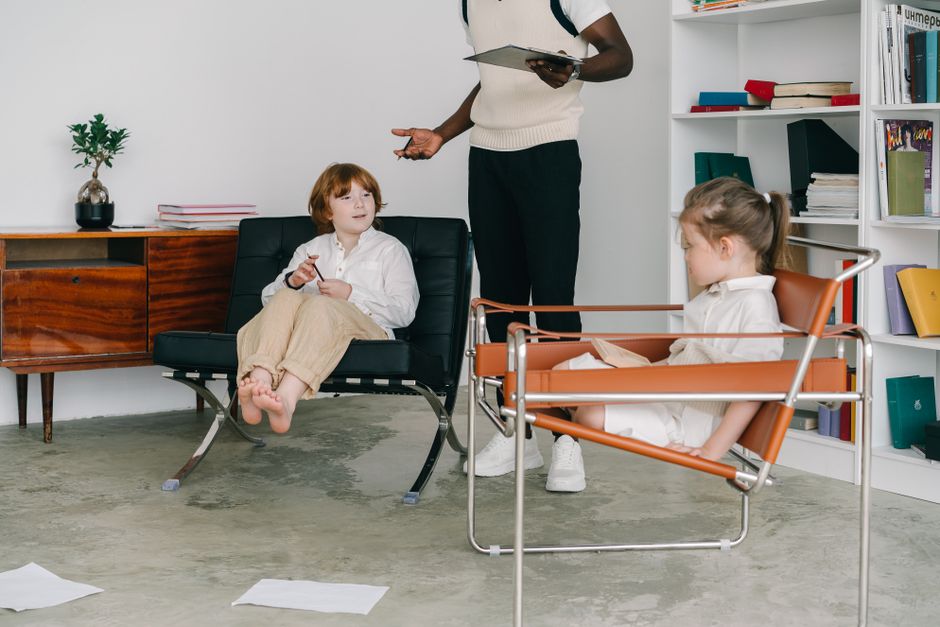
Child therapy is an essential aspect of mental health support for children facing various emotional and psychological challenges. Understanding the different types of therapy available, their benefits, and how they can help children navigate their feelings and behaviors is crucial for parents and caregivers. This article aims to provide an in-depth overview of child therapy, exploring its significance, approaches, and practical applications.
Understanding Child Therapy
Child therapy refers to a range of psychological treatments designed specifically for children and adolescents. These therapies aim to help young individuals express their feelings, cope with difficult emotions, and develop healthier behavioral patterns. The process often involves play, art, and other engaging activities that make it easier for children to communicate their thoughts and experiences.
One of the primary goals of child therapy is to create a safe environment where children feel comfortable sharing their feelings. This setting helps them understand their emotions, learn coping mechanisms, and build resilience. According to the American Psychological Association, therapy can significantly improve children’s emotional well-being, leading to better academic performance and social interactions.
Types of Child Therapy
There are various types of therapies available for children, each with its unique approach and methods. Here are some of the most common types:
1. Play Therapy: This therapeutic approach uses play as a means for children to express themselves. Through play, children can reveal their thoughts and feelings, which they may find difficult to articulate verbally. Play therapy is particularly effective for younger children who may not yet have the vocabulary to express their emotions.
2. Cognitive Behavioral Therapy (CBT): CBT is a structured approach that helps children identify negative thought patterns and behaviors. It teaches them strategies to manage their emotions and develop healthier thinking. Research shows that CBT can be effective in treating anxiety, depression, and behavioral issues in children.
3. Family Therapy: This type of therapy involves the entire family and focuses on improving communication and resolving conflicts. It helps family members understand each other’s perspectives and fosters a supportive environment for the child. Family therapy is beneficial for addressing issues that impact the family dynamic.
The Role of Therapists
Therapists play a vital role in the success of child therapy. They are trained professionals who specialize in working with children and understand their unique developmental needs. A good therapist creates a trusting relationship with the child, which is essential for effective therapy.
Moreover, therapists often collaborate with parents and caregivers to ensure that the child receives consistent support outside of therapy sessions. They provide guidance on how parents can reinforce the skills learned in therapy at home, creating a holistic approach to the child’s mental health.
Benefits of Child Therapy
The benefits of child therapy extend beyond just alleviating symptoms of mental health issues. Here are some significant advantages:
1. **Emotional Regulation:** Therapy helps children learn how to manage their emotions, which can reduce instances of outbursts or anxiety. They develop skills to cope with stress and navigate challenging situations more effectively.
2. **Improved Social Skills:** Children often struggle with social interactions, especially if they face anxiety or behavioral challenges. Therapy can enhance their communication skills and boost their confidence in social settings.
3. **Better Academic Performance:** Mental health significantly impacts a child’s ability to perform academically. By addressing emotional and psychological issues, therapy can lead to improved focus, motivation, and overall performance in school.
When to Seek Help
Recognizing when a child may need therapy is crucial for timely intervention. Signs that a child may benefit from therapy include:
– Persistent sadness or irritability
– Difficulty concentrating or a decline in academic performance
– Withdrawal from friends and family
– Engaging in risky behaviors
– Frequent tantrums or emotional outbursts
If you notice any of these signs, it may be beneficial to consult a mental health professional specialized in child therapy. Early intervention can lead to better outcomes and help children develop the skills they need to thrive.
Conclusion
Child therapy is a valuable resource for children struggling with emotional and psychological challenges. By understanding the various types of therapy available and recognizing the signs that a child may need help, parents and caregivers can take proactive steps to support their child’s mental health. The journey of therapy can empower children to express their emotions, build resilience, and ultimately lead happier, healthier lives. For many, exploring options such as What is ABA therapy can provide additional insights into effective therapeutic approaches tailored for children.