Revolutionizing Agriculture: The Future of Vertical Farming Technology
As the global population continues to rise, the demand for sustainable food production methods has never been more critical. Vertical farming technology is emerging as a revolutionary solution to meet this need. By utilizing innovative practices and cutting-edge technology, vertical farms offer a way to grow food in urban environments, reducing the need for transportation and minimizing environmental impact. This article explores the intricacies of vertical farming, its benefits, challenges, and future prospects.
What is Vertical Farming?
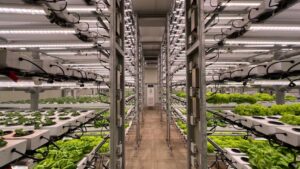
Vertical farming is an agricultural practice that involves growing crops in vertically stacked layers. This method can be implemented in various structures, including warehouses, shipping containers, and even skyscrapers. The primary goal is to optimize space and resources while ensuring maximum yield. Unlike traditional farming, which relies heavily on soil, vertical farms often use hydroponics, aeroponics, or aquaponics to cultivate plants. These soilless methods allow for greater control over nutrient delivery and environmental conditions.
Additionally, vertical farming is typically conducted indoors, which protects crops from adverse weather conditions and pests. The controlled environment enables farmers to grow food year-round, significantly increasing productivity compared to conventional farming. With the integration of advanced technology, such as LED lighting and climate control systems, vertical farms can create optimal growing conditions tailored to the specific needs of different crops.
Benefits of Vertical Farming
One of the most significant advantages of vertical farming technology is its potential to conserve water. Traditional agriculture accounts for about 70% of global freshwater use. In contrast, vertical farms can reduce water consumption by up to 90% through recirculation systems. This conservation is especially crucial in arid regions where water scarcity is a pressing issue.
Furthermore, vertical farming reduces the carbon footprint associated with food transportation. By establishing farms closer to urban centers, produce can be delivered fresh to consumers without the need for long-distance shipping. This not only lowers greenhouse gas emissions but also provides communities with access to fresh, locally grown food.
Vertical farms also promote biodiversity. By utilizing a variety of crops in controlled environments, these farms can contribute to a more diverse agricultural ecosystem. This diversity can help combat the issues associated with monoculture farming, such as soil degradation and pest outbreaks.
Challenges and Limitations
Despite its numerous benefits, vertical farming technology faces several challenges. One major hurdle is the high initial investment required to set up a vertical farm. The cost of infrastructure, technology, and ongoing operational expenses can be substantial, making it difficult for small-scale farmers to enter the market.
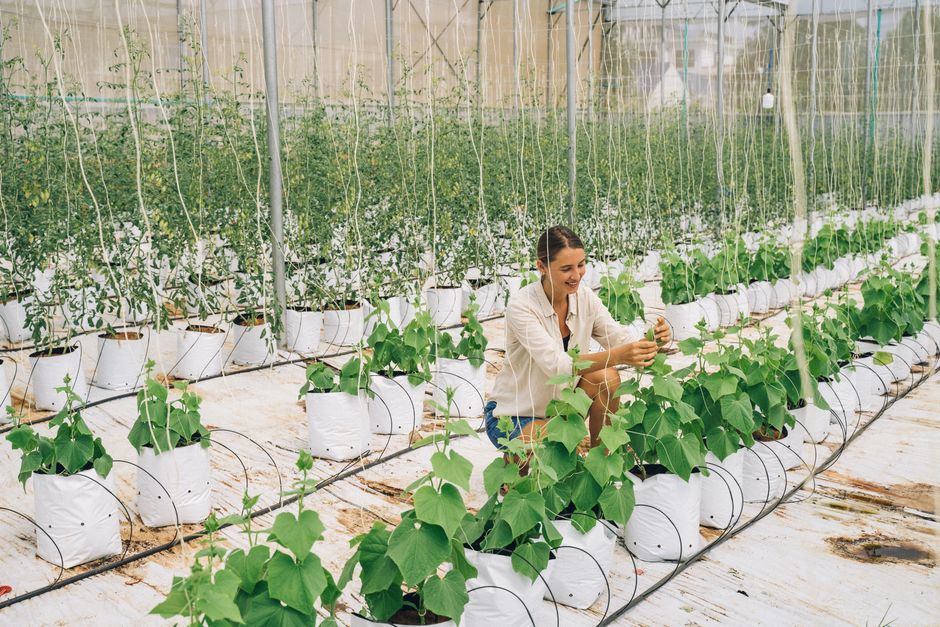
Additionally, while vertical farms can produce a range of crops, there are limitations on the types of plants that can be grown effectively. Leafy greens and herbs tend to thrive in vertical systems, but fruiting crops like tomatoes and peppers may require more complex growing conditions. As a result, vertical farming may not be a one-size-fits-all solution for every agricultural need.
Moreover, the energy consumption associated with maintaining ideal growing conditions, particularly for lighting and climate control, raises concerns about sustainability. While advancements in technology are helping to mitigate these energy costs, ongoing research is necessary to develop more efficient systems.
The Future of Vertical Farming
The future of vertical farming looks promising as technology continues to evolve. Innovations in automation, artificial intelligence, and machine learning are poised to enhance operational efficiency and crop yields. For instance, automated systems can monitor plant health and growth patterns, allowing for real-time adjustments to nutrient delivery and environmental conditions.
As consumer demand for locally sourced and sustainably grown food increases, vertical farming is likely to gain traction in urban areas. Cities around the world are beginning to recognize the potential of vertical farms as a solution to food security and urbanization challenges. With supportive policies and investments, vertical farming could become a mainstream agricultural practice.
In conclusion, vertical farming technology represents a significant shift in how we approach food production. As we face the challenges of a growing population and changing climate, this innovative method offers a sustainable solution for the future of agriculture. By embracing vertical farming, we can create a more resilient food system that meets the needs of both people and the planet. For more detailed insights into the intricacies of vertical farming, consider exploring resources on vertical farming technology.
Conclusion
Vertical farming stands at the intersection of technology and agriculture, offering a glimpse into a more sustainable future. While challenges remain, the ongoing advancements in this field hold the potential to transform how we grow and consume food. As we continue to innovate and adapt, vertical farming could play a crucial role in feeding the world’s population while preserving our natural resources.