Understanding Modern Irrigation Systems: A Comprehensive Guide
The importance of effective irrigation systems cannot be overstated, especially in today’s world where water scarcity and agricultural demands are on the rise. With millions of people relying on agriculture for their livelihoods, understanding how irrigation systems work is essential for optimizing crop yield and ensuring sustainable water use. This article delves into the various types of irrigation systems, their benefits, and the technologies that enhance their efficiency.
Types of Irrigation Systems
There are several types of irrigation systems, each suited to different types of crops, soil conditions, and climates. The most common systems include surface irrigation, drip irrigation, and sprinkler irrigation.
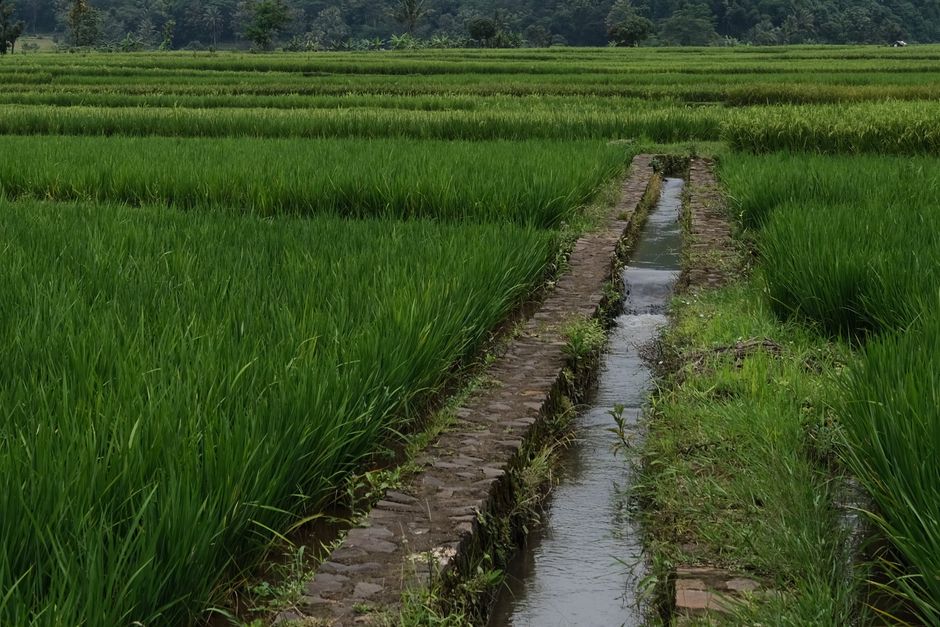
Surface irrigation is one of the oldest forms of irrigation, where water is applied directly to the soil surface and allowed to flow over the field by gravity. This method is best for crops that require a lot of water, such as rice and certain vegetables.
Drip irrigation, on the other hand, is a more modern technique that delivers water directly to the plant roots through a system of tubes and emitters. This method is known for its efficiency as it minimizes evaporation and runoff. It is especially beneficial in arid regions where water conservation is crucial.
Finally, sprinkler irrigation uses a system of pipes and pumps to spray water over the crops, simulating rainfall. This method can cover large areas but may be less efficient than drip irrigation due to potential water loss through evaporation.
Benefits of Efficient Irrigation
Implementing an efficient irrigation system has numerous benefits that extend beyond simply watering crops. One of the primary advantages is increased crop yield. By ensuring that plants receive the right amount of water at the right time, farmers can significantly enhance their productivity.
Additionally, efficient irrigation systems can lead to better soil health. Excessive watering can lead to waterlogging and salinity, which are detrimental to soil quality. By using advanced irrigation techniques, farmers can maintain optimal soil conditions, promoting healthier plant growth.
Moreover, efficient irrigation systems contribute to water conservation. In regions facing water scarcity, using technology such as drip irrigation can drastically reduce water usage, ensuring that this precious resource is utilized sustainably.
Technological Innovations in Irrigation
The field of irrigation has seen tremendous advancements over the years, thanks to technology. Smart irrigation systems, for instance, utilize sensors and weather data to determine the optimal watering schedule for crops.
These systems can automatically adjust water delivery based on current weather conditions, ensuring that crops receive adequate moisture without wasting water. This not only enhances crop health but also reduces the labor required for manual watering.
Another innovation is the use of satellite imagery and drones to monitor crop health and soil moisture levels. This technology allows farmers to identify problem areas in their fields quickly, enabling them to take corrective action before issues escalate.
Challenges and Considerations
Despite the many advantages of modern irrigation systems, there are challenges that farmers must consider. Initial setup costs can be significant, particularly for advanced systems like drip irrigation. However, the long-term savings on water bills and increased crop yields often justify the initial investment.
Moreover, maintenance of these systems is crucial. Regular checks and updates are necessary to ensure that everything is functioning correctly, which can be time-consuming for farmers with limited resources.
Lastly, understanding local regulations regarding water usage is essential. In some areas, restrictions on water usage may apply, affecting how farmers implement their irrigation systems.
Conclusion
In conclusion, modern irrigation systems play a pivotal role in agricultural productivity and sustainability. By understanding the various types of systems available and leveraging technological innovations, farmers can maximize their yields while conserving water. As the global demand for food continues to rise, investing in efficient irrigation practices will be crucial for feeding the world sustainably.