
Transforming Spaces: The Art of Restaurant Interior Design
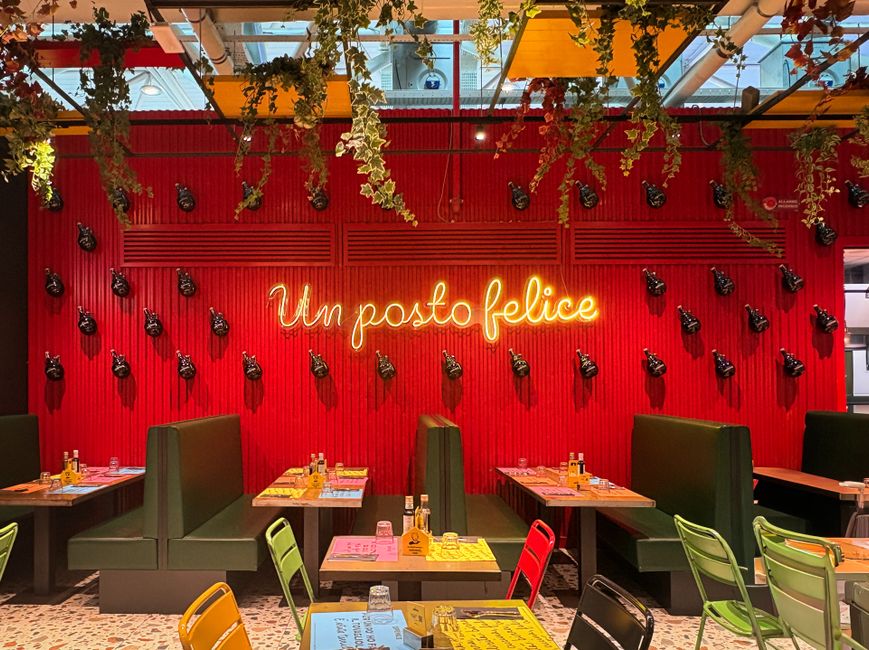
The ambiance of a restaurant is just as important as its menu. In today’s competitive dining landscape, the interior design of a restaurant plays a pivotal role in attracting and retaining customers. From the choice of color palettes to the arrangement of furniture, every detail contributes to the overall dining experience. This article explores the essential elements of effective restaurant interior design and how they can elevate a dining establishment.
Understanding the Importance of Interior Design
Interior design is not merely about aesthetics; it significantly impacts customer behavior and satisfaction. A well-designed restaurant can enhance the dining experience, leading to increased customer loyalty and positive word-of-mouth. Research indicates that customers are more likely to return to a restaurant that provides a comfortable and visually appealing environment. Furthermore, thoughtful design can influence how long customers stay and how much they spend.
For instance, a warm color scheme can evoke feelings of comfort and relaxation, encouraging diners to linger over their meals. In contrast, bright colors and modern furnishings may create a vibrant atmosphere that attracts a younger demographic. Understanding these psychological effects is crucial for restaurant owners looking to establish a unique identity.
Key Elements of Restaurant Interior Design
When it comes to restaurant interior design, several key elements must be considered. First, the layout is critical. An open floor plan can create a sense of spaciousness, while intimate seating arrangements can foster a cozy atmosphere. The flow of movement within the space should also be considered to ensure efficient service and comfort for diners.
Next, lighting is another vital aspect. Natural light can make a space feel more inviting, while ambient lighting can create a specific mood based on the time of day. Incorporating adjustable lighting options allows for flexibility in ambiance, catering to different dining experiences from lunch to dinner.
Moreover, furniture selection is paramount. Comfortable seating encourages patrons to stay longer and enjoy their meals, while unique table designs can enhance the overall aesthetic. Restaurant owners should invest in high-quality furnishings that align with their brand image and target demographic.
Incorporating Branding into Design
Every aspect of a restaurant’s interior should reflect its brand identity. This includes color schemes, materials, and decor elements. For example, a farm-to-table restaurant might utilize natural wood elements and earthy tones to emphasize its commitment to sustainability and freshness. In contrast, a high-end dining establishment might opt for luxurious fabrics and elegant color palettes to convey sophistication.
Signage and artwork can also play a significant role in reinforcing a restaurant’s brand. Custom artwork or murals can create a unique atmosphere and serve as an attraction for social media sharing. Utilizing local artists for installations can further enhance the community connection and brand authenticity.
Trends in Restaurant Interior Design
Staying on top of design trends is essential for keeping a restaurant’s look fresh and appealing. Recent trends include the use of biophilic design, which incorporates natural elements such as plants and water features to create a calming environment. This trend not only enhances aesthetics but also improves air quality and promotes wellness.
Another emerging trend is the use of multifunctional spaces. Restaurants are increasingly incorporating areas that can transform from dining to event spaces, maximizing their functionality and revenue potential. This flexibility allows restaurants to accommodate various customer needs and preferences.
Moreover, technology integration is becoming more prevalent. From digital menus to self-ordering kiosks, incorporating technology can enhance the customer experience and streamline operations. However, it is essential to balance technology with personal interaction to maintain a warm and inviting atmosphere.
Creating a Memorable Dining Experience
Ultimately, successful restaurant interior design is about creating memorable experiences for diners. This involves not just the physical space, but also the emotional connection that customers have with the restaurant. Engaging all senses through design—sight, sound, touch, and even smell—can leave a lasting impression.
For instance, incorporating music that complements the dining experience can enhance the overall atmosphere. The right soundtrack can evoke specific emotions and elevate the dining experience, making it more enjoyable. Similarly, scents from the kitchen can travel and create an inviting aroma that draws in customers.
As a final touch, paying attention to details such as table settings, utensils, and staff uniforms can further enhance the overall aesthetic. Every element should work in harmony to create a cohesive and inviting environment.
Conclusion
In conclusion, the significance of restaurant interior design cannot be overstated. It plays a crucial role in shaping customer experiences and influencing their decisions. By understanding the key elements of effective design, incorporating branding, and staying attuned to trends, restaurant owners can create spaces that not only attract but also retain customers. Investing in thoughtful interior design is an investment in the restaurant’s future success. For those looking to delve deeper into the intricacies of restaurant interior design, exploring professional resources and expert advice can provide valuable insights into creating exceptional dining environments.