
Transforming Spaces: The Art of Restaurant Interior Design
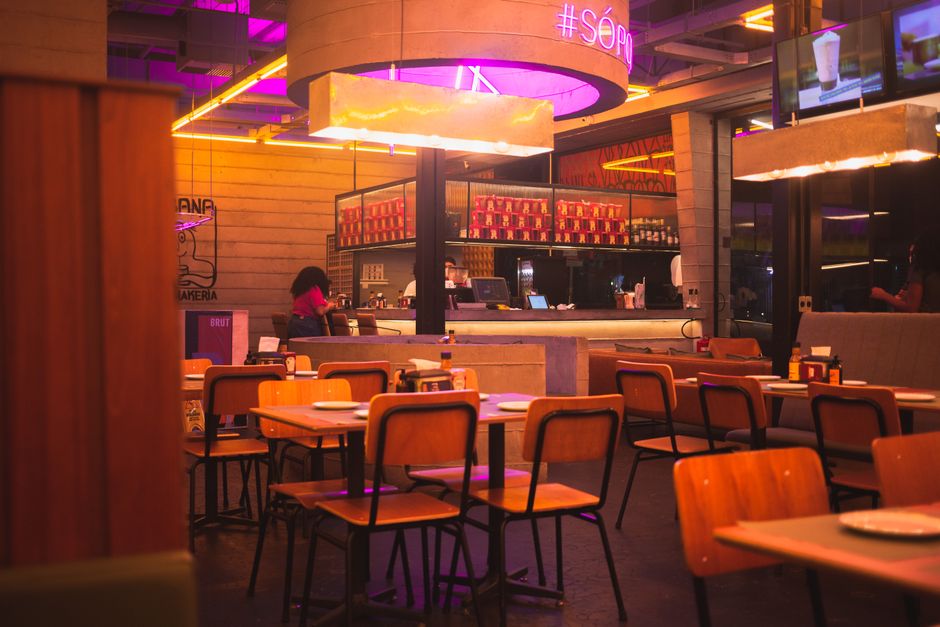
The interior design of a restaurant plays a crucial role in creating an inviting atmosphere that attracts customers and enhances their dining experience. In today’s competitive food industry, the aesthetics of a restaurant can significantly influence customer perceptions and their likelihood to return. From furniture selection to color schemes, every detail in restaurant interior design must be carefully considered to reflect the brand’s identity and cater to the target audience.
Understanding the Importance of Restaurant Interior Design
Restaurant interior design is not just about making a space look attractive; it is about creating an experience. Studies have shown that customers are more likely to enjoy their meals and spend more time at establishments that offer a comfortable and visually appealing environment. According to a survey conducted by restaurant management firms, nearly 70% of diners stated that the ambiance significantly affects their overall dining experience.
Moreover, a well-designed interior can help establish a restaurant’s brand identity. For example, a fine dining restaurant may opt for luxurious materials and soft lighting to create an elegant atmosphere, while a casual eatery might utilize bright colors and playful decor to reflect a fun environment. This branding connection is essential for attracting the desired clientele and fostering customer loyalty.
Key Elements of Effective Restaurant Interior Design
Several key elements contribute to effective restaurant interior design. First, the layout of the space is paramount. The arrangement of tables, pathways, and service areas should facilitate smooth customer flow and ensure that staff can easily navigate the space. A well-planned layout can minimize wait times and enhance the overall dining experience.
Second, lighting plays a vital role in setting the mood. The right lighting can create intimacy, highlight decor elements, and even influence food presentation. For instance, dim lighting may work well in a romantic setting, while bright lights can energize a vibrant, family-friendly space. Choosing appropriate lighting fixtures that complement the overall design theme is essential.
Third, furniture selection is crucial. The comfort of seating can greatly impact how long customers stay and how much they order. It’s important to choose furniture that aligns with the restaurant’s theme while providing comfort. For example, plush seating might be suitable for a cafe, while sleek, modern chairs could work for a contemporary restaurant.
Trends in Restaurant Interior Design
The restaurant industry is constantly evolving, and interior design trends shift accordingly. One prominent trend is the incorporation of sustainable materials and eco-friendly practices. Many restaurants are opting for reclaimed wood, recycled materials, and energy-efficient lighting to attract environmentally-conscious diners.
Another trend is the use of open-concept designs. This approach not only creates a sense of spaciousness but also encourages interaction between customers and staff, enhancing the dining experience. Open kitchens have become increasingly popular, allowing diners to observe chefs at work, which can add an element of entertainment to the meal.
Additionally, technology integration is becoming more commonplace in restaurant design. Features such as tablet ordering systems, interactive menus, and even virtual reality experiences can engage customers in new ways. These innovations can make dining more convenient and enjoyable while setting a restaurant apart from its competitors.
Case Studies of Successful Restaurant Designs
Several restaurants have successfully implemented innovative interior designs that have significantly enhanced their business. For instance, the famous New York City restaurant, Katz’s Delicatessen, has maintained its classic interior while updating elements to improve customer flow and comfort. The use of nostalgic decor and a lively atmosphere keeps customers returning for both the food and experience.
Another example is the trendy eatery, The Avocado Show, which has embraced a vibrant, Instagram-worthy aesthetic that appeals to a younger demographic. Its bright colors and unique decor have made it a popular spot for social media influencers, showcasing the power of design in attracting a specific audience.
These case studies illustrate how thoughtful interior design can lead to increased customer satisfaction, higher foot traffic, and ultimately, greater profitability.
Conclusion: Crafting Memorable Dining Experiences
In conclusion, restaurant interior design is a vital component of a successful dining establishment. By understanding the importance of ambiance, key design elements, and current trends, restaurant owners can create spaces that not only attract customers but also encourage repeat visits. The right design choices can significantly enhance the dining experience, ensuring that customers leave with positive memories and a desire to return. As the industry continues to evolve, staying informed about innovative designs and trends will be essential for any restaurant looking to thrive in a competitive market. For comprehensive insights on restaurant interior design, exploring expert resources can provide valuable guidance.