
Creating the Perfect Ambiance: Restaurant Interior Design Trends
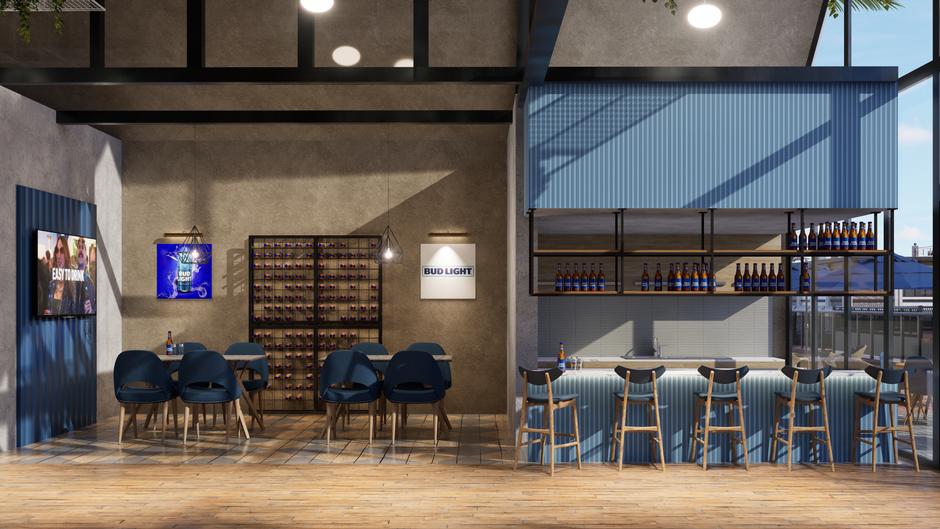
In the competitive world of dining, the interior design of a restaurant plays a crucial role in attracting and retaining customers. Beyond just aesthetics, the layout and atmosphere can significantly influence the overall dining experience. This article delves into the latest trends in restaurant interior design, offering insights and practical tips for creating an inviting and memorable space.
The Importance of First Impressions
When customers walk into a restaurant, their first impression is shaped largely by the interior design. Research indicates that 90% of a consumer’s judgment about a restaurant is based on the ambiance. This includes lighting, furniture, color schemes, and layout. A well-designed interior not only enhances the visual appeal but also sets the mood for the entire dining experience.
For instance, a fine dining establishment may opt for dim lighting and elegant decor to create a sophisticated atmosphere, while a casual eatery might use bright colors and playful designs to evoke a sense of fun. Therefore, understanding the target demographic is critical in determining the right design elements to incorporate.
Current Trends in Restaurant Interior Design
Several trends are shaping the way restaurants are designed today. One of the most notable is the move towards sustainability. Eco-friendly materials and designs are becoming increasingly popular, with many establishments opting for reclaimed wood, recycled metals, and energy-efficient lighting. This not only appeals to environmentally conscious consumers but also creates a unique aesthetic that can set a restaurant apart.
Another trend is the incorporation of technology into the dining experience. Interactive elements, such as digital menus and smart table systems, are becoming common. These technologies can enhance customer engagement and streamline operations, making the dining experience more efficient and enjoyable.
Creating Zones for Different Experiences
Another essential aspect of restaurant interior design is the creation of distinct zones within the space. Different areas can cater to various dining experiences, such as casual lunches, romantic dinners, or group celebrations. By designing separate zones, restaurants can accommodate a wider range of customers and occasions.
For example, a restaurant could feature a lively bar area for socializing, a cozy corner for intimate dinners, and spacious tables for families. This zoning not only increases the functionality of the space but also enhances the overall customer experience, as patrons can choose where they want to sit based on their mood and occasion.
The Role of Color and Lighting
Color and lighting are two of the most powerful tools in interior design. They can evoke emotions, influence behavior, and enhance the overall atmosphere of a restaurant. For example, warm colors like reds and oranges can stimulate appetite and create a sense of warmth, while cooler colors like blues and greens can evoke calmness and relaxation.
Lighting, on the other hand, can dramatically alter the ambiance of a space. Bright, harsh lighting may be suitable for a fast-casual environment, while soft, dim lighting can create an intimate and inviting atmosphere for fine dining. The strategic use of lighting fixtures can also serve as design elements, adding to the restaurant’s overall aesthetic.
Case Studies of Successful Restaurant Designs
Examining successful restaurant designs can provide practical insights into effective interior design strategies. For instance, the renowned restaurant Noma in Copenhagen is celebrated not just for its cuisine but also for its unique interior that reflects its Nordic heritage. The use of natural materials and a minimalist aesthetic creates a rustic yet sophisticated atmosphere that complements the dining experience.
Similarly, the chain restaurant Chipotle has successfully utilized a modern industrial design that emphasizes simplicity and cleanliness. The open layout and visible kitchen encourage transparency and engagement, which resonate well with its target market. These examples highlight how thoughtful interior design can enhance a restaurant’s brand identity and customer satisfaction.
Incorporating elements from successful designs, such as unique materials and thoughtful layouts, can significantly improve a restaurant’s appeal. For those looking to delve deeper into this aspect, exploring resources dedicated to restaurant interior design can provide valuable insights and inspiration.
Conclusion
In conclusion, restaurant interior design is a multifaceted discipline that combines aesthetics, functionality, and customer experience. As trends continue to evolve, staying informed about the latest developments in design can help restaurant owners and designers create spaces that not only attract customers but also enhance their dining experiences. By focusing on elements such as sustainability, technology, zoning, color, and lighting, restaurants can establish a unique identity that resonates with their target audience and sets them apart in a competitive market.