
The Essential Guide to Commercial Interior Design
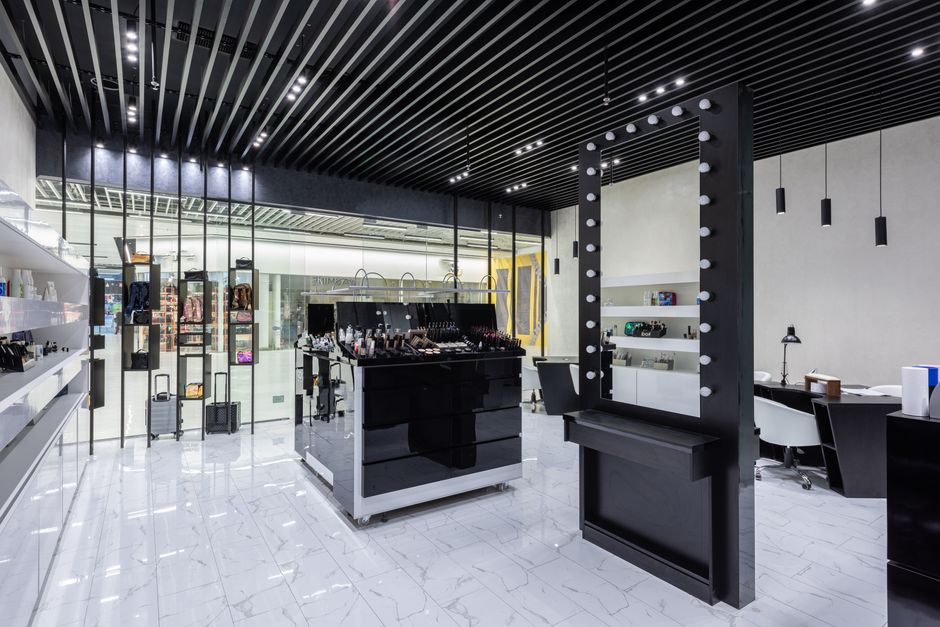
In the ever-evolving world of business, the significance of an appealing and functional interior space cannot be overstated. A well-designed commercial interior not only enhances the aesthetic appeal of a workspace but also improves employee productivity and client satisfaction. This article delves into the critical aspects of commercial interior design, offering insights and practical advice for businesses looking to elevate their spaces.
Understanding Commercial Interior Design
Commercial interior design involves creating functional and aesthetically pleasing workspaces for businesses. Unlike residential design, which focuses on personal taste and comfort, commercial design prioritizes the needs of a business and its clients. This field encompasses various sectors, including offices, retail stores, restaurants, and healthcare facilities. A professional designer in this realm must balance creativity with practicality, ensuring that the space meets the brand’s identity while serving its intended purpose.
A crucial element of commercial interior design is understanding the target audience. For instance, a trendy café may opt for vibrant colors and modern furniture to attract a young clientele, while a law firm may choose a more subdued palette with classic furnishings to convey professionalism. Designers often conduct thorough research to identify trends and preferences that will resonate with the intended demographic.
The Role of a Commercial Interior Designer
A commercial interior designer is responsible for shaping the look and feel of a business’s interior environment. This role encompasses a variety of tasks, including space planning, material selection, lighting design, and project management. Designers collaborate closely with clients to understand their vision and requirements, translating them into actionable plans.
One of the key responsibilities of a commercial interior designer is to optimize space utilization. Effective space planning ensures that the layout of a business maximizes functionality. For example, an open floor plan may foster collaboration among employees, while designated areas can provide privacy for meetings. A skilled designer takes into account factors such as traffic flow and accessibility when designing a space.
Additionally, a commercial interior designer must stay updated on industry trends and regulations. This includes understanding building codes, safety standards, and sustainable design practices. By incorporating eco-friendly materials and energy-efficient solutions, designers can create spaces that are not only beautiful but also environmentally responsible.
Key Elements of Successful Commercial Interior Design
Several key elements contribute to the success of a commercial interior design project. First and foremost is the selection of appropriate materials and finishes. High-quality materials enhance the durability of the space while reflecting the brand’s image. For example, a high-end retail store may use luxurious finishes like marble and glass, whereas a co-working space might opt for more cost-effective yet stylish options.
Lighting is another critical aspect that can dramatically influence the ambiance of a commercial space. A well-thought-out lighting scheme can create a welcoming atmosphere and highlight key areas. Natural light is especially valuable in workplaces, as it has been shown to improve mood and productivity. Designers often incorporate large windows and skylights to maximize natural light availability.
Color schemes play a vital role in setting the tone of a commercial environment. Colors can evoke emotions and influence behavior; therefore, selecting the right palette is essential. For example, warm colors like red and orange can stimulate energy and creativity, making them suitable for creative spaces, while cooler tones like blue and green promote calmness and focus, ideal for offices and healthcare settings.
Case Studies: Successful Commercial Interior Design Projects
To illustrate the impact of effective commercial interior design, let’s explore a few successful case studies. One notable example is the redesign of the headquarters for a leading tech company. The new design emphasized open spaces, collaborative areas, and ample greenery. The result was a 30% increase in employee satisfaction and productivity, showcasing the power of a thoughtfully designed workspace.
Another example is a boutique hotel that underwent a complete renovation to enhance guest experience. By integrating local art and sustainable materials, the hotel not only improved its aesthetic appeal but also received accolades for its commitment to sustainability. This approach attracted a new clientele interested in environmentally conscious travel options.
Such case studies underscore the importance of commercial interior designers in creating spaces that resonate with users while achieving business goals.
Conclusion: The Future of Commercial Interior Design
The future of commercial interior design is bright, with increasing recognition of its impact on business success. As more companies invest in their workspaces, the demand for skilled commercial interior designers will continue to grow. Embracing technology, sustainability, and innovative design practices will be crucial in shaping the next generation of commercial interiors. Businesses that prioritize their space will not only enhance their brand image but also foster a positive environment for employees and clients alike.