
The Essential Role of Landscape Architects in Modern Design
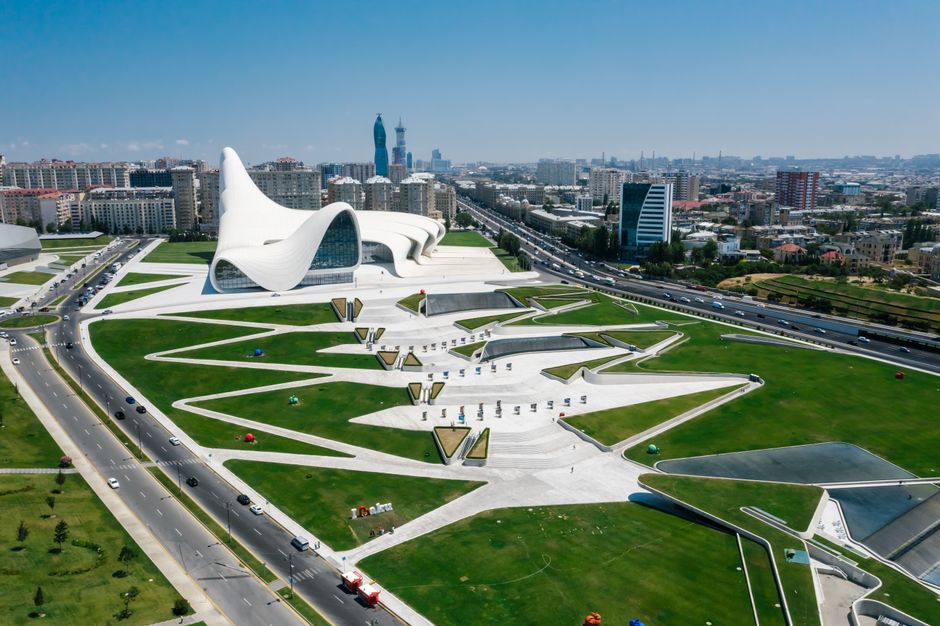
In today’s world, the importance of landscape architecture is becoming increasingly recognized. Landscape architects play a crucial role in shaping our environment, blending natural elements with human-made structures to create harmonious spaces. This article delves into the multifaceted responsibilities of landscape architects, their impact on urban planning, and the evolving trends in the field that are reshaping our landscapes.
The Role of Landscape Architects
Landscape architects are trained professionals who specialize in the design, planning, and management of landscapes. Their expertise encompasses a wide range of activities, from designing parks and gardens to planning large-scale urban developments. They work closely with architects, urban planners, and environmental scientists, ensuring that the natural environment is respected and enhanced in every project.
One of their primary responsibilities is to analyze the existing landscape and assess how it can be improved. This involves understanding the ecology of the area, the local climate, and the needs of the community. By integrating these factors into their designs, landscape architects help create sustainable environments that enhance quality of life.
Moreover, the role of a landscape architect extends beyond aesthetic appeal. They also consider the functionality of spaces, ensuring that areas are accessible and usable for all members of the community.
Impact on Urban Planning
Urban areas are increasingly facing challenges such as overcrowding, pollution, and climate change. Landscape architects are at the forefront of addressing these issues through innovative design solutions. By creating green spaces, they can improve air quality, reduce heat islands, and promote biodiversity.
For example, the High Line in New York City is a celebrated project that transformed an abandoned railway into a vibrant park. This project not only provided much-needed green space but also stimulated local economies and fostered community engagement. Such examples highlight the significant impact landscape architects have on urban environments.
Furthermore, landscape architects are essential in implementing sustainable practices in urban design. They advocate for the use of native plants, rain gardens, and permeable surfaces, which help manage stormwater runoff and reduce environmental impact.
Trends in Landscape Architecture
As society evolves, so too does the field of landscape architecture. Current trends include a focus on sustainability, resilience, and technology integration. More and more, landscape architects are being called upon to design spaces that can withstand the impacts of climate change.
One significant trend is the use of biophilic design, which seeks to connect people with nature. This approach is gaining popularity in urban settings where access to natural environments is limited. Landscape architects are incorporating natural elements into their designs to enhance well-being and promote mental health.
Additionally, advancements in technology are transforming how landscape architects work. Tools such as Geographic Information Systems (GIS) and 3D modeling software allow for more precise planning and visualization. These technologies enable landscape architects to present their ideas more effectively to clients and stakeholders, ultimately leading to better project outcomes.
Case Studies of Successful Projects
Several successful landscape architecture projects serve as benchmarks for best practices in the industry. One notable example is the landscape design of the 9/11 Memorial in New York City. Designed by Peter Walker and Michael Arad, the memorial integrates indigenous plant species and water features that create a serene environment for reflection and remembrance.
Another significant project is the restoration of the Los Angeles River. Landscape architects have played a vital role in revitalizing this urban waterway, transforming it from a concrete channel into a vibrant ecological habitat. This project not only enhances the natural beauty of the area but also provides recreational opportunities for residents.
These case studies demonstrate the diverse applications of landscape architecture and its capacity to address complex challenges while enhancing the quality of life for communities.
Conclusion
The role of landscape architects is indispensable in shaping the environments we inhabit. Their expertise in integrating natural systems with human activity creates spaces that are not only beautiful but also functional and sustainable. As we face increasing environmental challenges, the contributions of landscape architects will be crucial in designing resilient communities. By embracing innovative practices and sustainable design principles, landscape architects will continue to lead the way in creating healthier, more vibrant spaces for future generations.