
The Rise of Sustainable Architecture: Building a Greener Future
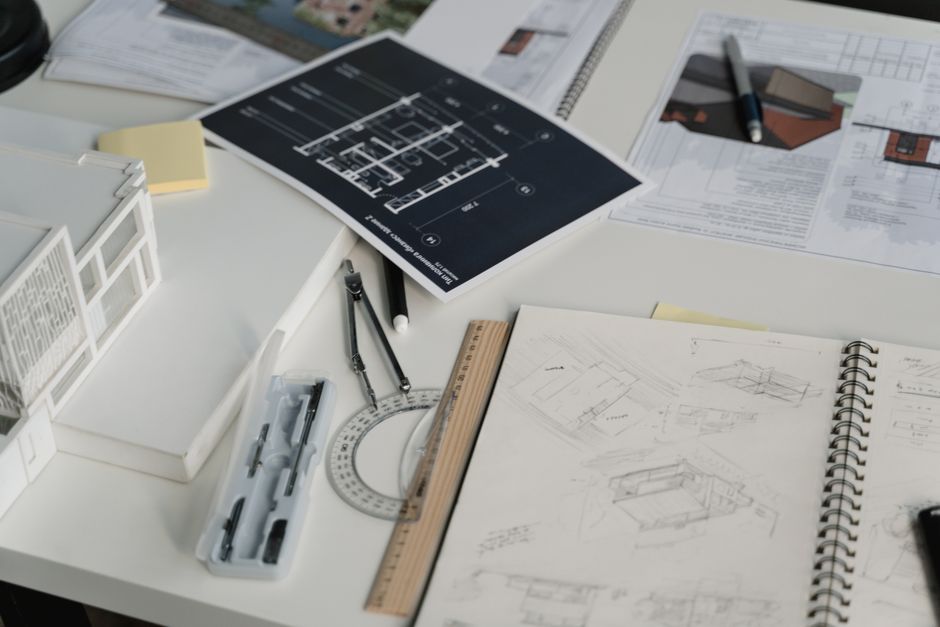
In an age where environmental concerns are at the forefront of our global consciousness, the architecture industry is experiencing a significant transformation. Sustainable architecture is not just a trend; it is a necessity. This article delves into the principles, practices, and benefits of sustainable architecture, highlighting how firms are adopting innovative strategies to create eco-friendly structures that harmonize with nature.
Understanding Sustainable Architecture
Sustainable architecture refers to the design and construction of buildings that minimize environmental impact. This approach incorporates energy-efficient technologies, sustainable materials, and designs that reduce waste. According to the World Green Building Council, buildings are responsible for 39% of global carbon emissions, making it imperative for architects to rethink their practices.
By focusing on sustainable architecture, firms can contribute to reducing the overall carbon footprint. This involves using renewable energy sources, such as solar panels and wind turbines, and employing energy-efficient systems like LED lighting and smart thermostats. The integration of these elements ensures that buildings consume less energy and resources over their life cycle.
Key Principles of Sustainable Design
There are several core principles that guide sustainable architecture. First and foremost is the concept of site sustainability, which emphasizes the importance of the building’s location. Architects must consider the local climate, ecosystem, and community when designing structures. A well-placed building can take advantage of natural sunlight and wind patterns, reducing reliance on artificial heating and cooling.
Another principle is the use of sustainable materials. This includes sourcing materials that are recycled, locally produced, or certified by environmental organizations. For instance, bamboo is a popular choice due to its rapid growth and minimal environmental impact. Moreover, firms are increasingly opting for low-VOC (volatile organic compounds) paints and finishes to improve indoor air quality.
The Role of Technology in Sustainable Architecture
Advancements in technology play a pivotal role in the evolution of sustainable architecture. Building Information Modeling (BIM) allows architects to create detailed 3D models of structures, enabling better planning and resource management. This technology helps in identifying potential issues before construction begins, ultimately saving time and materials.
Additionally, smart home technologies are becoming more prevalent in sustainable buildings. These systems can monitor energy use, optimize resource consumption, and provide feedback to occupants about their energy habits. For instance, smart thermostats can adapt to the residents’ schedules, ensuring efficient heating and cooling.
Case Studies of Successful Sustainable Architecture Firms
Several architecture firms are leading the charge in sustainable design, setting benchmarks for the industry. One notable example is sustainable architecture firm Gensler, which has implemented a range of eco-friendly practices in their projects. Their work on the Shanghai Tower incorporates wind turbines and a rainwater harvesting system, significantly reducing the building’s energy consumption.
Another exemplary firm is Bjarke Ingels Group (BIG), known for their innovative designs that blend sustainability with aesthetic appeal. Their project, the Amager Bakke waste-to-energy plant in Copenhagen, features a ski slope on its roof, turning a functional building into a recreational space while promoting environmental consciousness.
The Economic Benefits of Sustainable Architecture
While the initial investment in sustainable architecture may be higher, the long-term savings are substantial. According to a study by the U.S. Green Building Council, green buildings can reduce operating costs by 20-30%. This is primarily due to lower energy bills, reduced water usage, and decreased maintenance costs.
Moreover, sustainable buildings tend to have higher occupancy rates and rental prices. As more individuals and businesses prioritize sustainability, properties with green certifications are becoming increasingly desirable. This trend is not just beneficial for the environment; it also presents a lucrative opportunity for investors and developers.
Conclusion: The Future of Architecture
The shift towards sustainable architecture is more than a passing trend; it is a fundamental change in how we approach building design. As environmental issues continue to escalate, the architecture industry must embrace sustainable practices to create a better future. By prioritizing eco-friendly designs, utilizing innovative technologies, and investing in sustainable materials, architects can lead the way in building a greener planet for generations to come.