
The Versatile Applications of Stainless Steel in Modern Industries
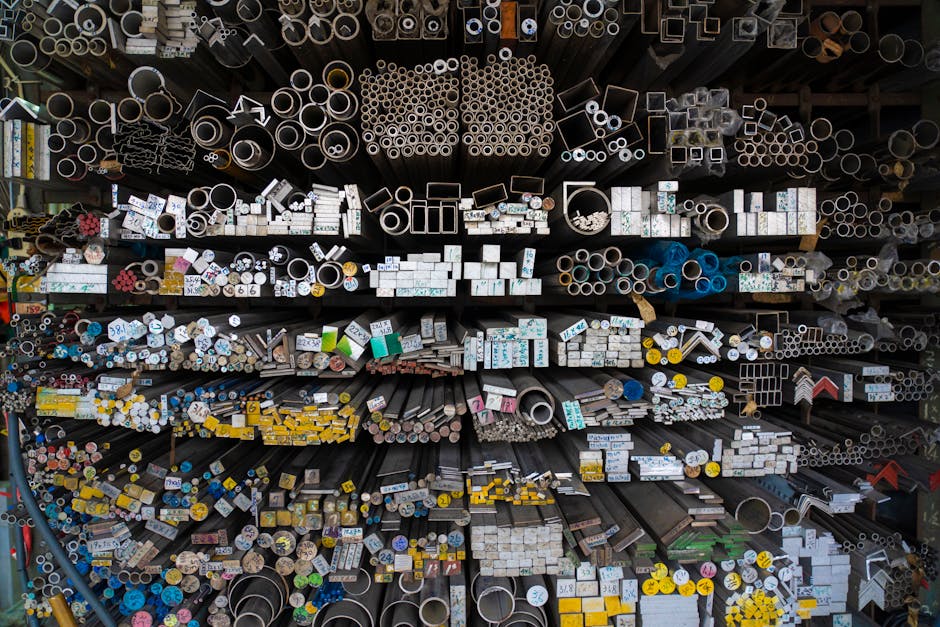
Stainless steel has become an essential material in various industries due to its unique properties. Known for its corrosion resistance, durability, and aesthetic appeal, stainless steel is not only used in construction and manufacturing but also in household items and medical equipment. This article explores the diverse applications of stainless steel, its benefits, and why it continues to be a material of choice in modern times.
Understanding Stainless Steel
Stainless steel is an alloy primarily composed of iron, chromium, and nickel. The addition of chromium (at least 10.5%) is what gives stainless steel its corrosion-resistant properties. There are various grades and types of stainless steel, each designed for specific applications. For instance, 304 and 316 are commonly used grades in kitchen equipment and marine applications, respectively.
Another significant aspect of stainless steel is its strength and durability. Compared to regular steel, stainless steel is less likely to rust or stain, making it ideal for environments exposed to moisture and chemicals.
In addition to its functional benefits, stainless steel also has a sleek, modern appearance that is highly valued in design. This combination of practicality and aesthetics has made stainless steel a preferred choice in various sectors.
Applications in the Construction Industry
In the construction industry, stainless steel is used extensively for its strength and longevity. Structures such as bridges, buildings, and highways benefit from stainless steel’s resistance to corrosion, which helps reduce maintenance costs over time. For example, many architectural designs now incorporate stainless steel for its ability to withstand harsh environmental conditions.
Furthermore, stainless steel railings, fixtures, and roofing materials are increasingly popular due to their modern look and durability. The use of stainless steel in construction not only enhances the visual appeal but also contributes to the building’s overall sustainability.
Stainless Steel in Kitchen and Household Items
The kitchen is perhaps one of the most common places where stainless steel is utilized. From sinks and countertops to cookware and appliances, stainless steel offers hygiene and easy maintenance. Its non-porous surface prevents bacterial growth, making it a safe option for food preparation.
Moreover, many homeowners favor stainless steel appliances for their sleek design and long-lasting performance. Brands have recognized this trend, leading to a rise in the availability of stainless steel kitchen products. Notably, the market for stainless steel furniture is also expanding, with many consumers seeking stylish options for their homes. For example, a Furniture Company In Saudi Arabia offers a range of stainless steel furniture that combines functionality with modern aesthetics.
Medical Applications of Stainless Steel
Stainless steel plays a crucial role in the medical field. Surgical instruments, implants, and medical devices are often made from stainless steel due to its biocompatibility, strength, and resistance to sterilization processes. For instance, tools used in surgeries must be able to withstand repeated sterilization without corroding or degrading.
The use of stainless steel in medical equipment not only ensures safety and hygiene but also enhances the longevity of the tools. This reliability is essential for healthcare providers who depend on high-quality instruments during procedures.
The Future of Stainless Steel
As technology advances, the applications of stainless steel continue to expand. Innovations in the alloy’s composition and processing are leading to even more durable and versatile products. With a growing focus on sustainability, manufacturers are increasingly looking at ways to recycle stainless steel and reduce waste.
Moreover, the market demand for stainless steel is expected to grow, particularly in emerging markets where urbanization and industrialization are on the rise. This trend signifies a bright future for stainless steel as a material that meets the needs of modern society.
Conclusion
Stainless steel is a remarkable material that has found its way into numerous applications across various industries. Its unique properties, including corrosion resistance, strength, and aesthetic appeal, make it an ideal choice for construction, household items, and medical devices. As we move forward, the versatility of stainless steel is likely to lead to even more innovative uses, solidifying its status as a cornerstone material in our daily lives.