
Understanding the Role of Distributors in Today’s Market
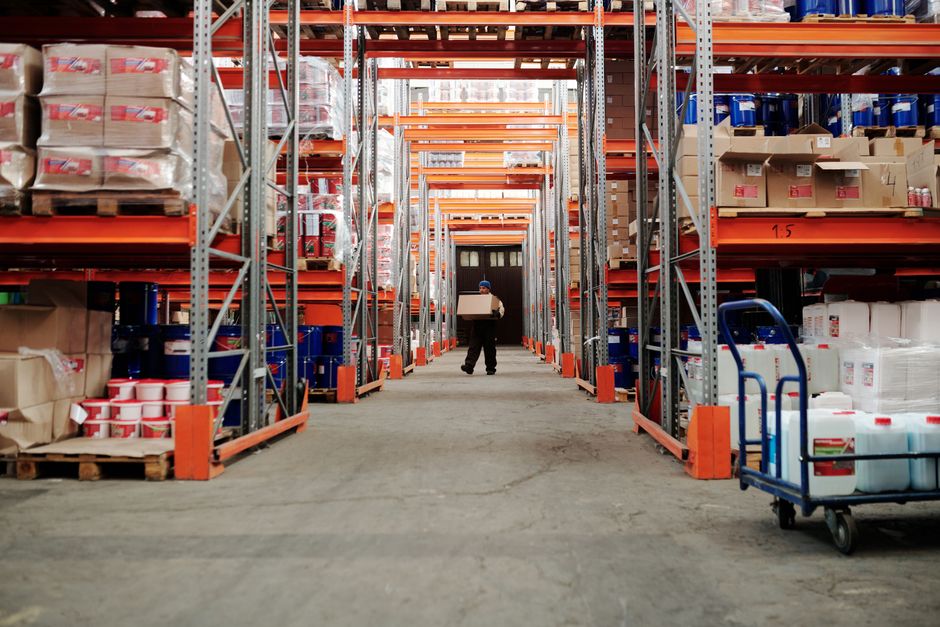
The role of distributors has evolved significantly in today’s dynamic market landscape. As intermediaries between manufacturers and retailers, distributors play a crucial role in ensuring that products reach their intended consumers efficiently. In this article, we will delve into the various aspects of distribution, the challenges faced by distributors, and the impact of digital transformation on their operations.
What is a Distributor?
A distributor is an entity that purchases products from manufacturers and sells them to retailers or directly to consumers. They serve as the vital link in the supply chain, managing logistics, storage, and inventory. Distributors can specialize in various products, ranging from electronics to food supplies, and their expertise often dictates the efficiency of the supply chain.
In many cases, distributors also provide additional services, such as marketing support, technical assistance, and after-sales service. This added value can greatly enhance the relationship between manufacturers and retailers, ensuring that products are not only available but also promoted effectively in the market.
The Importance of Distributors in Supply Chain Management
Distributors are integral to effective supply chain management. They help manufacturers expand their reach without incurring the costs associated with direct sales to retailers. By leveraging their established networks and distribution channels, distributors can facilitate quicker and more cost-effective delivery of products.
According to a study by the Supply Chain Management Review, companies that utilize distributors can reduce their logistics costs by up to 25%. This is largely due to the economies of scale that distributors achieve through bulk purchasing and streamlined operations.
Challenges Faced by Distributors
While distributors play a vital role in the supply chain, they face numerous challenges. One of the most significant challenges is managing inventory effectively. Distributors must strike a balance between having enough stock to meet demand and minimizing excess inventory that can lead to increased costs.
Additionally, the rise of e-commerce has introduced new competition for traditional distributors. Many manufacturers are now opting to sell directly to consumers online, bypassing distributors altogether. This shift necessitates that distributors adapt their business models to remain relevant, often by enhancing their digital capabilities.
The Impact of Digital Transformation
Digital transformation is reshaping the distribution landscape. Distributors are increasingly adopting technology to improve their operations, from inventory management systems to customer relationship management (CRM) tools. These technologies enable distributors to gain real-time insights into inventory levels, sales trends, and customer preferences.
Furthermore, the integration of e-commerce platforms allows distributors to reach a broader audience. For instance, a distributor can utilize online marketplaces to sell products directly to consumers, thereby expanding their market presence. As an example, distributors of health products are finding success by integrating their sales with platforms that specialize in wellness and fitness, allowing for targeted marketing and a more streamlined purchasing process.
One innovative product that has gained attention in recent years is dmso gel, which has been marketed through various distributors focusing on health and wellness. This highlights how distributors can leverage niche products to capture specific market segments.
Future Trends in Distribution
Looking forward, the role of distributors is expected to evolve further. The increasing importance of sustainability will drive distributors to adopt greener practices, such as reducing carbon footprints through optimized transportation routes and utilizing eco-friendly packaging materials.
Moreover, the growing emphasis on data analytics will allow distributors to make more informed decisions regarding inventory management and customer engagement strategies. By harnessing data, distributors can predict market trends, optimize their supply chains, and enhance customer satisfaction.
In conclusion, distributors are a critical component of the market ecosystem, facilitating the flow of goods from manufacturers to consumers. As they navigate challenges and embrace digital transformation, their role will continue to adapt, ensuring that they remain indispensable partners in the supply chain.